Finding a reliable cycle computer without breaking the bank is easier than ever. This guide highlights five affordable, well‑reviewed options that deliver essential data—speed, distance, time, and route details—so you can ride smarter. Each model offers wireless or wired setups, long battery life, and intuitive displays designed for American roads and trails.
Summary table of selected products (quick reference)
| Product | Brand | Display | Connectivity | Notable Feature |
|---|---|---|---|---|
| BC107 Wireless GPS Bike Computer | CooSpo | 2.4″ LCD | Bluetooth, ANT+ | Budget yet powerful |
| Urban Wireless Bike Computer | Cateye | Analog Speedometer | Wireless | Auto Start/Stop, programmable odometer |
| Bike Speedometer GPS Wireless | Bikevee | 2.4″ LCD | Wireless | Auto Start/Stop, Auto Backlight |
| GPS Bike Computer | CYCPLUS | 2.4″ LCD | Wireless | Automatic Backlight, IPX6 |
| iGPSPORT BSC200S | iGPSPORT | 2.4″ Screen | Bluetooth, ANT+ | Route navigation |
BC107 Wireless GPS Bike Computer From CooSpo
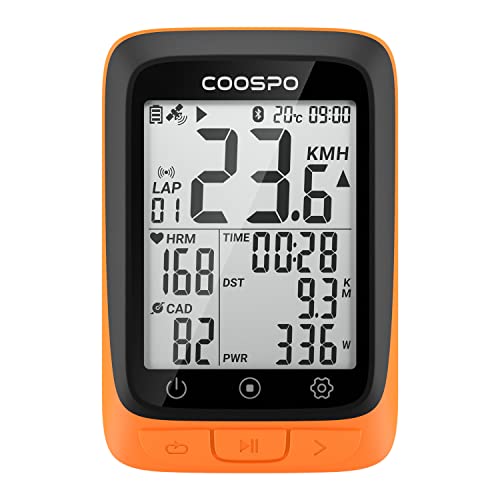
The BC107 model from CooSpo emphasizes value without sacrificing core features. Built to be small and cost-efficient, this 2.4-inch display provides essential ride data with a robust, lightweight chassis. The device supports GPS positioning and wireless sensors, making it compatible with heart rate, speed, cadence, and power meter ecosystems via ANT+ and Bluetooth. New purchasers are advised that packaging may include upgraded options, and an extension front mount can be added separately for a more flexible setup. This option suits riders who want reliable GPS data at a practical price point.
CATEYE Urban Wireless Bike Computer

This Cateye unit focuses on straightforward statistics and easy setup. It displays current, max, and average speed, total distance, trip distance, elapsed time, calories, and a clock. Its programmable odometer helps you track mileage across battery changes, while the flexible FlexTight Bracket makes mounting quick and stable. It’s ideal for riders who want essential metrics and a dependable, simple interface without fumbling through menus. The auto start/stop feature also helps maintain accurate ride time across stops.
Bikevee GPS Wireless Cycling Computer

Bikevee combines GPS tracking with long battery life and a bright display. With a 650 mAh rechargeable battery, it supports up to 28 hours of continuous use, making it suitable for long rides. Data tracked includes run metrics like distance, speed, and ride time, all visible on a 2.4-inch LCD with auto backlight for day or night use. The wireless design helps reduce on-handlebar clutter, and auto start/stop captures ride data automatically, ensuring a seamless experience even on multi-stop routes.
CYCPLUS GPS Bike Computer

The CYCPLUS model emphasizes GPS accuracy and visibility. It offers dynamic GPS positioning for quick, reliable location tracking, a backlit FSTN display for legible data in bright sun or dark conditions, and IPX6 water resistance. The battery supports extended use, and the device provides ride statistics such as time, distance, altitude, and total mileage. The combination of a robust display and dependable GPS makes it a solid choice for riders who ride in mixed weather and diverse terrains.
iGPSPORT BSC200S GPS Bike Computer

The iGPSPORT BSC200S offers route navigation through the official app and supports import of routes from third-party platforms like Strava, Ride with GPS, and Komoot. Its one-touch navigation lets riders save points and start sessions quickly, with back-to-start and riding-record navigation features. Smart notifications, including call and message alerts, help keep riders connected while on the road. This model is ideal for riders who value guided routes and seamless app integration in a budget-friendly package.
Buying Guide: Key Purchase Considerations
- Display and readability: Look for a 2.4-inch LCD with good contrast and a backlight for day and night use. Glare resistance matters in bright sunlight.
- GPS accuracy and battery life: Higher sensitivity GPS and long battery life reduce the need for frequent recharging on long rides. Wireless models reduce cable clutter on handlebars.
- Sensor compatibility: If you use heart rate monitors, cadence sensors, or power meters, ensure ANT+ compatibility and seamless pairing with your device.
- Mounting and durability: A secure, easy-to-adjust mount saves time. IP ratings (like IPX6 or IP67) indicate water resistance for riding in varied conditions.
- Navigation features: Route planning, turn-by-turn guidance, and the ability to import GPX files or sync with apps can be a decisive advantage for diverse rides.
- Data granularity: Decide which metrics matter most—speed, distance, total time, elevation, calories, or advanced metrics like ascent, gradient, and riding time.
- App ecosystem and updates: A companion app that supports firmware updates, route loading, and data export helps futureproof the device.
- Price-to-feature balance: Budget models often trade advanced analytics for essential stats. Prioritize features that support your riding style and typical routes.
Additional Perspectives to Consider
- Beginner riders may favor wired, easy‑setup units with clear displays and auto start/stop to minimize setup complexity.
- Serious cyclists who ride off-road or in varied weather should prioritize waterproofing, GPS stability, and long battery life.
- Urban cyclists might value smart notifications and route navigation integrated with mobile apps for real-time guidance.