Winter running demands dependable traction without compromising comfort. This article highlights five top traction aids designed to fit over running shoes and boots, helping you stay safe on icy and snowy routes. Each option offers different spike types, materials, and fit systems to suit varied conditions and footgear.
Buyers should consider spike material, installation ease, and how well the device stays in place during a run. Compare features, durability, and fit to choose the right option for your winter workouts. Below is a quick overview of the selected products.
| Product | Brand | Key Feature |
|---|---|---|
| Yaktrax Run Traction Cleats for Running on Snow and Ice | Yaktrax | 3mm carbide-steel spikes with 1.4mm stainless coils for 360-degree traction |
| Crampons Ice Cleats Traction Snow Grips (19 Spikes) | Cimkiz | 19 stainless steel spikes per foot with adjustable strap |
| Due North Everyday G3 Ice Cleats | Due North | Military-grade tungsten carbide spikes with stay-on design |
| ICETRAX V3 Tungsten Crampons | ICETRAX | Tungsten spikes with StayON fit and easy slip-on design |
| STABILicers Run Traction Cleats | STABILicers | Full-sole coverage for heel and forefoot with aggressive tread |
Yaktrax Run Traction Cleats

Designed by runners for winter training, these traction cleats slip over standard running shoes to extend workouts when surfaces are slick. The combination of 3mm carbide-steel spikes and 1.4mm stainless-steel coils provides solid bite on ice and packed snow, with 360-degree traction to stabilize every step. They’re lightweight enough for daily wear but rugged enough for consistent use through the season. Users benefit from a secure, snug fit that minimizes movement during a run, helping maintain form and cadence on icy pavement.
Crampons Ice Cleats Traction Snow Grips (Cimkiz)

These ice grips feature 19 high-quality stainless steel spikes per foot and a robust chain system for traction on varied terrain. Constructed from thermoplastic elastomer (TPE), they stay flexible in cold weather and resist tearing. The strap system allows easy on/off and aims to stay secure even during fast strides. They’re suitable for runners, hikers, and adventurers navigating icy sidewalks, trails, and gentle slopes, offering durable grip in frigid conditions.
Due North Everyday G3 Ice Cleats
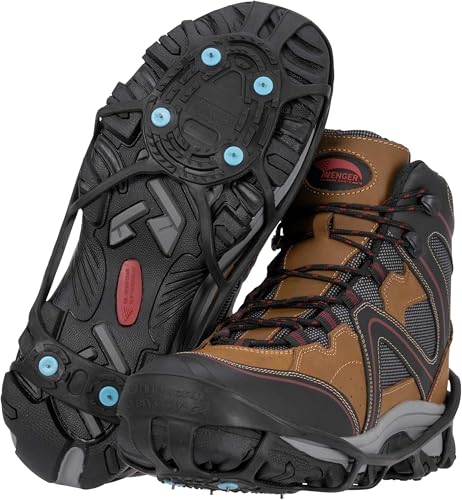
Due North’s Everyday G3 cleats emphasize a molded construction for a better fit and comfort. The 6 tungsten carbide spikes integrated into a rubber tread design deliver solid traction on ice, with spikes replaceable for extended life. The textured lining helps prevent slipping at the sole, and the design aims to stay securely attached while running, reducing the risk of movement or detachment mid-stride under cold conditions.
ICETRAX V3 Tungsten Crampons
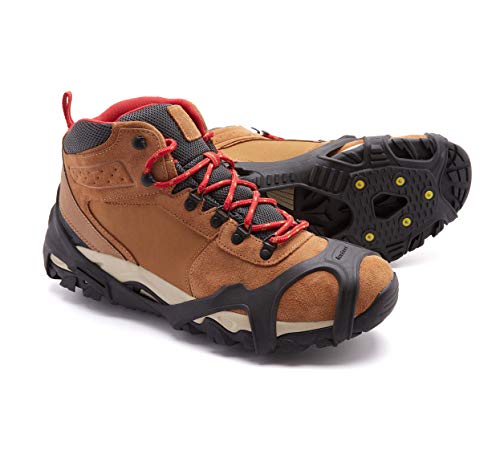
ICETRAX V3 combines nine tungsten carbide spikes with a proprietary snow tread traction system for maximum grip on ice and snow. A StayON toe cap design ensures a secure fit across most footwear, reducing movement and preventing loss during runs. The slip-on mechanism is straightforward—place the toe cap over the shoe front, then pull the heel up—allowing quick transitions between footwear as conditions change. The overall design emphasizes stability and reliable performance in harsh winter environments.
STABILicers Run Traction Cleats
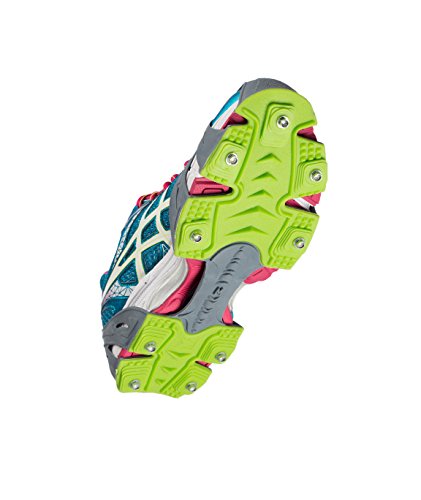
STABILicers Run offers a lightweight option with full-sole coverage designed to attach over running shoes without altering stride. The cleats extend to both the heel and forefoot, enhancing stability across a variety of surfaces. A thermo-plastic elastomer (TPE) tread provides aggressive grip and broad contact area, improving traction during fast-paced runs on slick sidewalks, roads, or light trails. The design aims for consistent bite with minimal bulk.
Buying Guide: Key Considerations For Ice Running Traction
- Traction Type: Decide between steel spikes, tungsten carbide, or coil-based systems. Spikes tend to bite best on ice, while coils provide multi-directional grip on varied surfaces.
- Fit And Compatibility: Check sizing guides and whether the device fits over your specific running shoes or boots. Some designs use toe caps, while others rely on strap systems or full-sole integration.
- Ease Of Use: Consider how quickly you can put on or remove the traction aids, especially for post-run transitions or sudden changes in weather.
- Durability: Look for materials rated for sub-freezing temperatures, abrasion resistance, and spike longevity. Replaceable spikes extend product life in heavy use.
- Weight And Bulk: Lighter options reduce fatigue, but heavier devices may offer more robust traction. Balance weight with your comfort and typical running distance.
- Terrain Versatility: If you run on ice, packed snow, wet surfaces, or uneven trails, choose a model that supports multi-terrain grip and reduces lateral slip.
- Storage And Portability: Compact designs that fold or store easily in a pack are advantageous for multi-surface routes or changing conditions.
- Repairability: Spikes replacements or strap adjustments can extend product life and maintain performance across seasons.
- Price And Warranty: Compare initial cost with expected lifespan and any warranties. Durability often correlates with longer-term value.
When selecting ice running traction, consider the typical winter routes, the grip needed on ice versus snow, and how often you’ll use the device. For routine wet and icy days, a reliable, secure fit with a durable spike system is essential. For occasional use on mixed terrain, a lighter, easier-to-snap-on option may suffice. Evaluate the combination of fit, traction, and comfort to ensure safe, consistent training through winter’s toughest conditions.