Getting started on the ice is about stability, comfort, and confidence. The right entry-level ice skates or training aids help beginners learn balance, glide, and control with less frustration. This guide highlights top options designed for kids and new skaters, focusing on adjustability, safety features, and build quality. Each highlighted product provides dependable support to help learners build skills quickly and safely.
| Product | Brand | Adjustability | Best For | Link |
|---|---|---|---|---|
| Winnwell Ice Skating Trainer Aid | Winnwell | 6 height levels (20″-27″) | Beginner skaters needing walker-style support | Amazon |
| Tryly 1Pair Upgraded Toddler Ice Skates | Tryly | Grow-with-feet adjustment | 2–5 year olds, 2-in-1 blade design | Amazon |
| Shupakul Toddler Ice Skates (Pink) | Shupakul | 6.3″–8.3″ length range | Beginner toddlers, secure double runner | Amazon |
| Shupakul 1 Pair Toddler Ice Skates (Blue) | Shupakul | 6.3″–8.3″ length range | Young beginners needing stability | Amazon |
| Nattork Adjustable Ice Skates | Nattork | 4 size adjustments | Growing feet, soft padding and reinforced ankle | Amazon |
Winnwell Ice Skating Trainer Aid
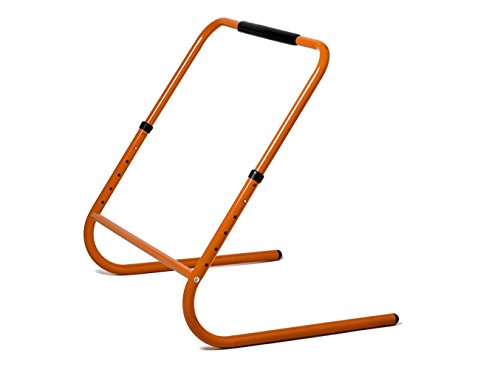
The Winnwell trainer acts as a skate-learning walker, delivering stable support for beginners. It features six height levels (20″–27″), enabling use by kids and first-time skaters as they gain confidence. Built with high-strength steel tubing, the frame offers lasting durability while maintaining a compact 15″ x 20″ base for solid balance on the ice. Ideal for caregivers helping youngsters transition from standing practice to gliding motion, this tool helps minimize falls while building core skating fundamentals.
Key Considerations
- Adjustability supports growing kids and varying skill levels.
- Steel construction promises stability during early training.
- Walker-style design focuses on balance rather than independent ice time.
Tryly 1Pair Upgraded Toddler Ice Skates

Tryly offers a 2-in-1 convertible blade design, starting with a stable double blade for balance training and switching to a single blade as skills progress. The skates adjust for growing feet via simple bottom-nut adjustments, accommodating ages roughly 2 to 5. Secure nylon hook-and-loop fasteners provide extra ankle support, promoting steadier strides and reducing wobble as little skaters practice. This design supports gradual progression from standing to confident gliding on real ice.
Key Considerations
- 2-in-1 blade setup supports scalable skill development.
- Easy length adjustments help extend skate lifespan with growing feet.
- Reliable straps add security during early practice sessions.
Shupakul Toddler Ice Skates (Pink)

This pink, adjustable toddler skate features a dual-runner design for enhanced stability. The quick-adjustable sizing range (6.3″–8.3″) accommodates growing feet between ages 2 and 5. Upgraded touch fasteners provide reliable safety and easy on/off, so kids can practice with confidence. The double runner configuration helps new skaters maintain balance as they learn basic standing and first glides on the ice.
Key Considerations
- Double runner design prioritizes stability for beginners.
- Simple adjustment helps parents adapt as kids grow.
- Safe, easy-to-use fasteners support frequent practice.
Shupakul Toddler Ice Skates (Blue)

These blue toddler ice skates emphasize adjustable sizing (6.3″–8.3″) for kids aged 2–5. The double runner design offers added stability, while the strap fastening with nylon hook-and-loop fasteners keeps skates secure during practice. The product is positioned as a practical option for families seeking an affordable, adjustable entry point to ice skating for young beginners.
Key Considerations
- Affordability paired with adjustable sizing.
- Double runner setup enhances initial stability.
- Secure straps help maintain proper foot alignment.
Nattork Adjustable Ice Skates

Nattork focuses on adjustable fit and comfort for kids’ ice skating journeys. These skates offer four size adjustments to grow with growing feet, plus soft padding and reinforced ankle support to improve comfort during longer practice sessions. Stainless steel blades deliver dependable glide and durability, enabling steady progression from basic standing to controlled moves on real ice. This option suits parents seeking a long-term skate solution that remains comfortable across several growth stages.
Key Considerations
- Multiple size adjustments for extended use.
- Soft lining increases warmth and comfort during sessions.
- Durable blades provide reliable performance for beginners.
Buying Guide: Key Purchase Considerations For Ice Skates To Learn On
- Age and skill level: Choose adjustable designs that accommodate ongoing growth and early skill development. For toddlers and preschoolers, double runner configurations often offer better initial stability.
- Adjustability vs. simplicity: While more adjustment options extend the life of a skate, ensure the mechanism is easy to use so kids can participate in the sizing updates with minimal frustration.
- Support and safety features: Look for secure straps, reinforced ankle support, and stable bases. Training aids should reduce falls and encourage proper posture as confidence builds.
- Durability and materials: Stainless steel blades and steel tubing provide durability for frequent practice. Lightweight yet sturdy frames help maintain balance without fatigue for young skaters.
- Progression path: Consider both a trainer or support aid and a pair of beginner skates that can be adjusted as skills improve. A gradual transition from trainer aids to independent skating supports steady skill development.
- Size ranges and growth: Verify the available size adjustments align with your child’s current age and growth expectations. Longer use is possible with wider size ranges and easy length adjustments.
- Maintenance: Check blade protection and easy-clean designs. Simple care extends blade life and keeps the experience comfortable for young learners.
- Safety gear compatibility: Some trainers come with protective gear included. Ensure your kit covers palms, knees, and elbows for reassuring practice sessions.
- Budget and value: The most expensive option is not always the best for learning. Compare adjustability, safety features, and durability to determine overall value for your situation.
- Warranty and customer support: A solid warranty can be valuable for growing children, given frequent adjustments and potential replacements as feet increase in size.