Lightweight trekking boots blend flexible design, reliable grip, and weather protection for long hikes. This guide highlights five durable options that balance support with agility, helping you cover varied terrain without fatigue. Each pick prioritizes comfort, traction, and waterproofing where applicable, making them suitable for day trips or weekend adventures across forests, riversides, and mountain trails.
Summary of chosen products:
| Product | Brand | Key Benefits | Footwear Type |
|---|---|---|---|
| NORTIV 8 Men’s Ankle High Waterproof Hiking Boots | NORTIV 8 | All-day comfort, cushioned insoles, lightweight EVA midsoles, non-slip durable outsole | Ankle-high waterproof hiking boot |
| XPETI Men’s Hiking Boots | XPETI | Waterproof with Kevlon upper, moisture-wicking lining, improved support and toe protection | Hiking boot |
| NORTIV 8 Women’s Waterproof Hiking Boots | NORTIV 8 | Genuine leather, breathable mesh, MDT traction for mud and rocks | Women’s waterproof hiking boot |
| NORTIV 8 Men’s Waterproof Hiking Boots (Paladin) | NORTIV 8 | Waterproof membrane, toe protection, reinforced heel, MDT outsole | Mid-trek waterproof boot |
| SHULOOK Men’s Waterproof Hiking Boots | SHULOOK | Lightweight, waterproof membrane, breathable lining, secure lace closure | Mid-top waterproof hiking boot |
NORTIV 8 Men’s Ankle High Waterproof Hiking Boots

These ankle-high boots emphasize all-day comfort with removable, shock-absorbent insoles that cushion each step. The lightweight EVA midsole reduces fatigue over long days, while a high-traction rubber outsole provides stability on wet or uneven surfaces. The waterproof design helps feet stay dry during drizzle or unexpected mud, making them a versatile choice for mixed-weather treks.
Key considerations
Ideal for hikers who value cushioning and light weight. Check for a secure heel fit and the ease of replacing insoles if needed. Consider climate and terrain; the boots excel on damp trails but may feel less supportive on very rocky climbs if not paired with trekking poles.
XPETI Hiking Boots

XPETI boots feature waterproof Kevlon upper fabric with X-Dry moisture-wicking lining to keep feet dry. A resilient internal Y-shaped nylon shank adds torsional stability, while a built-in EVA midsole and TPU heel stabilizer contribute to stability and comfort over long miles. A protective toe cap helps guard against stubs and rocks on rugged trails, making them a solid choice for mixed-terrain hikers.
Key considerations
Look for how well the waterproofing holds up in steady rain and puddles. The internal support system is beneficial for hikers carrying light packs, but heavier loads may demand additional ankle support and a snug lacing system for optimal lockdown.
NORTIV 8 Women’s Waterproof Hiking Boots

These boots pair genuine suede leather with breathable mesh lining and a lightweight midsole for balance and comfort. The outsole features multi-directional traction designed for mud and rocky surfaces. A top-strap or hooks help secure laces quickly, aiding in a precise fit for different foot shapes and arch types.
Key considerations
Women hikers might prefer a narrower toe box or a version with a wider option; consider wide-foot models if needed. Breathability helps when hiking in warmer weather, but ensure waterproofing remains reliable in persistent rain.
NORTIV 8 Men’s Waterproof Hiking Boots (Paladin)
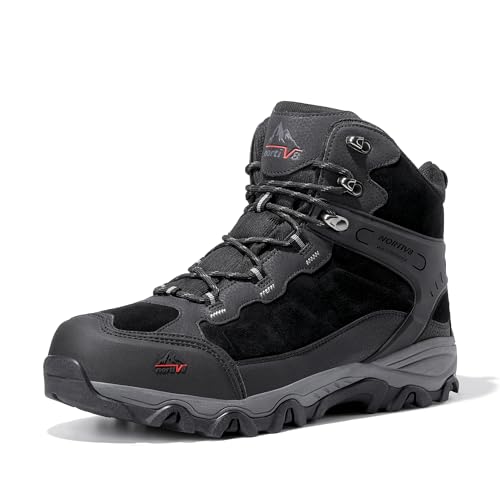
The Paladin model offers a waterproof membrane for dry feet, a rubber toe cap for protection on collisions, and a reinforced heel for stability. The suede upper is paired with a rugged MDT outsole designed for multidirectional traction on diverse trails. This configuration aims to balance durability with a lighter profile for all-day wear.
Key considerations
Those who frequently encounter wet conditions will benefit from the waterproof layer. For climbers seeking aggressive grip on loose gravel or wet rock, verify tread depth and the boot’s lateral stability during side-to-side movements.
SHULOOK Men’s Waterproof Hiking Boots

SHULOOK boots emphasize ultra-lightweight performance at about 1.25 pounds per boot for size 10. They feature a SL-TEX waterproof membrane and a breathable, skin-friendly lining to reduce heat and moisture buildup. The closed-cell tongue helps prevent debris ingress, while a rubber anti-collision toe and sealed construction protect feet on rugged paths.
Key considerations
Consider the overall weight when choosing between mid and high-cut designs. If you hike in wet forests or frequent water crossings, the waterproof membrane should be tested for long-term durability and breathability to prevent overheating.
NORTIV 8 Men’s Wide Toe Box Hiking Boots

These boots feature a roomy toe box for natural toe spread, which can improve balance and reduce forefoot pressure on long rambles. A low-drop design aligns the foot more naturally, while the built-in waterproof membrane keeps feet dry on wet trails. They pair this with a durable outsole and stable midsole for all-day comfort on varied surfaces.
Key considerations
Wide-toe options can enhance comfort for hikers with wider feet or toe sensitivity. If you spend long days on uneven ground, verify footbed cushioning and arch support to prevent fatigue.
Buying Guide: How To Choose Lightweight Trekking Boots
- Weight and comfort: Prioritize boots labeled lightweight with cushioned insoles and responsive midsoles. Check how the weight feels after several hours of hiking.
- Waterproofing and breathability: Water-resistant or waterproof membranes help in damp conditions, but ensure the lining also breathes to avoid sweaty feet on warmer days.
- Traction and outsole design: Look for multi-directional lugs and MDT or similar grip systems for stability on mud, gravel, and rocky paths.
- Support and protection: Ankle or mid-cut heights offer varying levels of ankle support. A reinforced toe cap and heel support add durability for rugged routes.
- Fit and toe box: Ensure enough room for toe splay, especially on long hikes. Narrow toe boxes can cause numbness on extended trips; consider wide options if needed.
- Durability and materials: Suede or leather uppers provide durability, while mesh linings improve breathability. Balance durability with weight based on typical hiking environments.
- Maintenance: Waterproof membranes benefit from cleaning and occasional reproofing. Ensure compatibility of care products with materials used in the boots.
- Climate and terrain: For wet climates, prioritize waterproofing; for dry alpine terrain, weight savings and ankle flexibility may take priority.
- Foot health considerations: People with issues like bunions or wide feet should prioritize toe box width and adjustable lacing patterns for a secure fit.
- Replacement and care: Budget for replacement insoles or customized inserts to optimize comfort and support over time.