Riding aggressive terrain often demands precise suspension setup. A reliable mountain bike shock pump helps cyclists dial in front forks and rear shocks for comfort, control, and traction. This guide highlights top-performing pumps, their features, and how to choose the right one for your bike. Each option below is tailored for Schrader or Schrader-compatible systems, with gauges that let you monitor pressure and fine-tune bleed. Read on to compare reputable models from trusted brands and find the pump that best fits your riding style and maintenance routine.
Summary of selected products:
- Fox Factory HP Shock Pump 350PSI Shock Pump with Swivel Head — FOX Factory
- PRO BIKE TOOL Shock Pump for Mountain and Road Bikes — PRO BIKE TOOL
- RockShox High-Pressure Fork/Shock Pump (300 psi Max) — RockShox
- GIYO High Pressure Shock Pump (300 PSI Max) — GIYO
- JACO ShockPro MTB Shock Pump — JACO Superior Products
Fox Factory HP Shock Pump 350PSI

The Fox Factory HP Shock Pump delivers up to 350 PSI, covering high-pressure air shocks on DPS and DPX2 systems. Its durable 6063 aluminum barrel and handle pair with a stainless steel swivel pump head for access in tight linkage areas where a traditional head would be obstructed. This design minimizes pump slack and improves control, making it a reliable choice for aggressive riders and racers who demand precise tuning. The swivel head helps seal quickly and reduces air loss during adjustments.
Key considerations: The pump’s 350 PSI ceiling fits most modern mountain shocks, and the stainless swivel head is compatible with hard-to-reach linkages. Its build emphasizes longevity, with a robust construction that endures frequent use on trail days and during maintenance sessions.
Who benefits: Riders with high-pressure shocks, those who frequently adjust suspension settings, and enthusiasts seeking a premium, durable tool for on-trail tuning and pit stops.
PRO BIKE TOOL Shock Pump — 300 PSI

This pump excels at precise pressure control with a clear 1.5-inch industrial gauge showing both PSI and Bar readings. It delivers low volume at high pressure, enabling fine-tuning of air pressure in forks and rear shocks. The secure no-leak valve and bleeder button allow careful release to reach the exact setting needed for smoother performance. It’s designed for Schrader-valved shocks and is well-suited for riders who chase precision without sacrificing reliability.
Key considerations: The device is built to minimize air loss during valve connection and disconnection, a common concern with high-precision pumps. It’s appropriate for MTB and road bike applications, but its strength lies in mountain configurations that require careful damping adjustments.
Who benefits: Mountain bikers who frequently tweak fork and rear shock pressure, riders who value a visual gauge for accurate setups, and those who ride diverse terrains requiring repeatable tuning.
RockShox High-Pressure Fork/Shock Pump

RockShox offers a straightforward, easy-to-use high-pressure pump designed for forks and shocks. Built for durability and reliability, this model emphasizes simplicity and consistency. It’s a practical choice for riders who want a dependable pump without extra features that can complicate routine maintenance. The pump’s components prioritize a smooth stroke and solid seal, ensuring you can reach target pressures without fuss.
Key considerations: While it emphasizes ease of use, this pump is best suited for riders who want a no-nonsense tool that reliably reaches typical mountain-bike shock pressures. It may lack some advanced features found in premium models, but its durability and straightforward operation are appealing for everyday maintenance.
Who benefits: Casual and dedicated riders who value reliability, riders who perform periodic shock adjustments, and those who prefer a lightweight, uncomplicated tool for trail-side tinkering.
GIYO High Pressure Shock Pump — 300 PSI
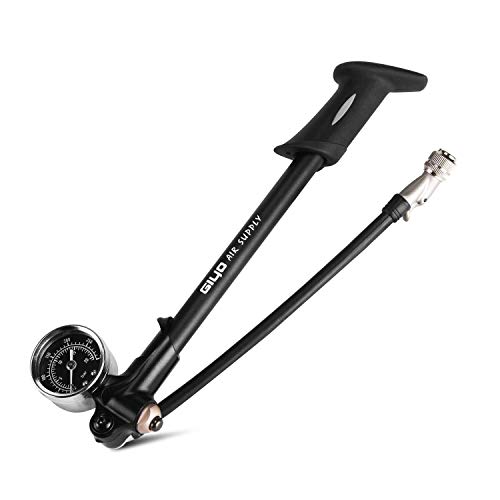
The GIYO shock pump includes a lever lock on the nozzle to minimize air loss during attachment and detachment. With a 300 PSI maximum, it’s designed for inflating mountain bike air forks and rear suspensions rather than tires. The lever lock enhances stability, helping users achieve precise pressures consistently. GIYO emphasizes longevity with a design that withstands regular use and a focus on torque and reliability in high-stress environments.
Key considerations: Its specialized use for suspension rather than tires makes it ideal for MTB riders who perform frequent air-spring adjustments. The lever lock reduces air leakage, a feature appreciated during on-trail tune-ups and workshop sessions alike.
Who benefits: Riders who perform frequent suspension tuning, those who want a secure valve connection, and enthusiasts who value a trusted, long-lasting pump for MTB applications.
JACO ShockPro MTB Shock Pump

JACO ShockPro combines rugged aircraft-grade aluminum with durable ABS, delivering a reliable pump built for MTB enthusiasts. It features a built-in 300 PSI gauge calibrated to ANSI B40.1 accuracy standards for precise pressure setting in rear shocks, air forks, and even dropper posts. The bleed button allows quick pressure relief for fine-tuning performance, making this pump a versatile option for riders who demand both accuracy and ease of use on the trail.
Key considerations: The accuracy standards ensure reliable readings, while the bleed function supports incremental adjustments for optimal ride quality. The combination of lightweight construction and strength makes it a popular choice among riders who value precision without sacrificing portability.
Who benefits: Mountain riders who seek accurate, repeatable pressure settings, those who frequently adjust suspension for different trails, and riders who value a robust, long-lasting tool for bike maintenance.
Buying Guide: How To Choose A Mountain Bike Shock Pump
Pressure range and valve compatibility are the primary considerations. Most mountain bike shocks use Schrader valves and require pumps that reach 300–350 PSI, though some setups may differ. Confirm compatibility with your fork and shock brand, and verify the maximum PSI to ensure the pump covers your needs for aggressive riding or downhill setups.
Gauge readability matters. A clear, large dial with PSI and Bar measurements helps you dial in precise settings quickly, reducing trial-and-error. Bleed functionality is a plus, allowing fine-tuning and pressure relief to achieve exact numbers without overshooting.
Valve connection and leakage control are critical. Look for a no-leak valve, lever-lock nozzle, or swivel heads that seal securely when attaching or detaching. A swivel head can reach stubborn linkages without bending or stressing the pump body.
Durability and weight are important for on-trail reliability. Aluminum bodies and robust build quality resist damage from drops or repeated pressurization. If you carry your pump in a hydration pack or tool roll, a compact, lightweight model can reduce fatigue during long rides.
Price-to-performance balance varies by rider. Premium models offer features like swivel heads, premium gauges, and reliable seals, which can translate to faster setup times and longer service life. Entry-level options still provide accurate readings and solid build quality, making them suitable for casual riders and beginners.
Maintenance considerations include keeping the nozzle and seal clean to prevent air leakage, recalibrating or replacing gauges if readings drift, and inspecting hoses or connections for wear. A well-maintained pump preserves accuracy and extends its lifespan across seasons.
In practice, riders often pair a high-precision pump for serious tuning with a simpler backup pump for quick checks. If you compete or ride aggressive terrain, prioritizing a pump with a high PSI ceiling, a reliable bleed system, and a swivel or lever-lock nozzle will pay off in consistent performance.
Summary: When choosing, weigh maximum PSI, valve compatibility, gauge clarity, and durability. A pump with a secure nozzle and ergonomic design helps you maintain optimal suspension setups across varying trails and conditions.