Guiding your rides with a reliable GPS bike computer is essential for mountain biking. This article highlights five top GPS bike computers that excel in rugged trails, offline maps, and real-time data. Each option is evaluated for navigation reliability, screen readability, battery life, and ruggedness to help you choose the right companion for your MTB adventures.
| Product | Brand | Key Strength |
|---|---|---|
| iGPSPORT BSC300T | iGPSPORT | Touchscreen, offline map navigation, multi-satellite support |
| Bikevee GPS | Bikevee | Long battery life, auto start/stop, backlit display |
| GEOID CC600 | GEOID | Color screen, offline routing, fast GPS positioning |
| Garmin Edge MTB | Garmin | Rugged design, full-color maps, performance tracking |
| COOSPO CS600 | CooSpo | Color touchscreen, Bluetooth/ANT+, route navigation |
These devices vary in screen size, navigation features, and battery life. The following sections provide concise overviews of each option, focusing on how they support mountain bikers on demanding trails.
iGPSPORT BSC300T Wireless Bike Computer
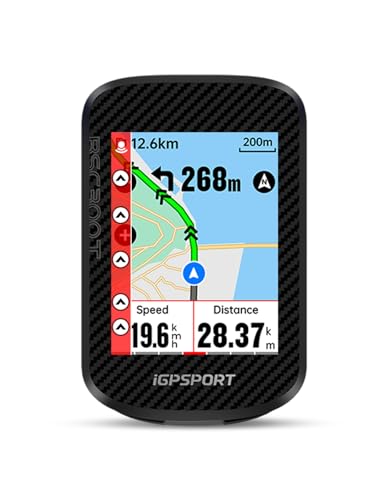
The BSC300T delivers a 2.4-inch touch screen with six buttons for versatile control in muddy or gloved conditions. It supports road, mountain, and e-bike modes, and can display power levels. Global satellite coverage (GPS, Beidou, GLONASS, Galileo, QZSS) provides faster positioning and more accurate ride data, making it suitable for variedMTB terrains and developing routes. Its wireless design reduces cable clutter on rugged handlebars.
Bikevee GPS Wireless Cycling Computer

Bikevee emphasizes battery life, GPS data depth, and a legible display. It records temperature, altitude, gradient, and ascent distance with high-precision GPS. The 650 mAh battery supports up to 28 hours of continuous use, enabling extended mountain bike trips. A bright 2.4-inch display with auto backlight keeps stats visible in sun or shade. Auto Start/Stop and wireless data transfer simplify off-bike data management and ride logging.
GEOID CC600 Color Screen Bike Computer

The GEOID CC600 features a vibrant 2.4-inch color screen and a durable three-button interface. It highlights colorful route navigation with turn reminders and auto re-routing by uploading external GPX files via the phone app. WiFi and Bluetooth enable fast data transfer and firmware updates, making it easy to stay current on-the-go. The device supports automatic re-routing when you stray from a planned path, a helpful feature on unfamiliar trails.
Garmin Edge MTB — Rugged GPS Bike Computer

Garmin Edge MTB is designed for mountain bikers with a rugged build and multiple ride profiles, including enduro and downhill. Its color display is easy to read in varying lighting, and it supports preloaded maps plus performance tracking features. Battery life can reach up to 14 hours in demanding use, extended further with efficiency modes. This device emphasizes durability and detailed ride analytics for serious MTB athletes.
COOSPO CS600 Color Touchscreen GPS

The COOSPO CS600 features a 2.4-inch high-resolution color touchscreen with adaptive auto-backlight for bright or dim conditions. It uses precise GPS tracking with GLONASS and offers built-in route navigation. The device supports Bluetooth and ANT+ connectivity, facilitating sensor pairing and data transfer. Route uploads and breadcrumb navigation help riders explore new trails while maintaining situational awareness on complex terrain.
Garmin Edge 530

The Garmin Edge 530 provides advanced GPS navigation with mapping, VO2 max insights, and recovery metrics when paired with compatible sensors. Its safety features include a bike alarm, group messaging, and compatibility with radar and lights for better visibility. Battery life supports long rides, and the device offers adaptive coaching suggestions based on training load and recovery, making it a strong option for performance-focused riders.
Garmin Edge 540

The Garmin Edge 540 emphasizes targeted coaching, navigation, and performance monitoring. It supports a wide range of sensors and power meters, offering daily workout prompts and adaptive coaching depending on training load and recovery. With up to 26 hours of battery life in standard use and longer in battery saver mode, it suits multi-day MTB adventures and endurance events while maintaining detailed analytics for optimization.
Buying Guide: Key Purchase Considerations
When selecting a mountain biking GPS device, consider the following factors:
- Navigation and maps: Look for offline maps, future route planning, and reliable GPS reception in forested or canyon terrain.
- Screen readability: A bright, high-contrast display with a glove-friendly interface improves visibility on rugged trails.
- Battery life: Longer rides demand devices that can last through day-long excursions or multi-day trips.
- Durability and water resistance: For MTB use, choose rugged housings and IP ratings to withstand mud, rain, and dust.
- Sensor compatibility: Ensure compatibility with heart rate monitors, power meters, cadence sensors, and radar/lights if safety features are desired.
- Connectivity: Bluetooth and ANT+ support helps in syncing data with apps and accessories; WiFi can streamline firmware updates.
- Navigation features: Re-routing, breadcrumb trails, and GPX import/export provide flexibility when exploring new trails.
- Learning curve and interface: A user-friendly UI reduces setup time before technical sections of a ride.
- Platform ecosystem: Consider whether you prefer devices with extensive map libraries and performance metrics benefits within a broader ecosystem.
Bottom-line considerations include ensuring the device offers reliable off-road navigation, strong battery endurance for long MTB days, and durable construction for challenging trail environments. Each model above provides a distinct balance of these features, so the best choice depends on your riding style, preferred maps, and how much performance data you want to track on the trail.