Whether you’re curious about mullet mountain bike setups or simply exploring versatile, all-terrain bikes, this guide highlights five relevant options and gear. Each entry includes key features to compare performance, comfort, and control on mixed-wheel configurations. Use the buying guide below to balance wheel size, suspension, and braking across trails and city streets.
Summary Table of Selected Products
| Product | Brand | Key Features |
|---|---|---|
| WEIZE Hardtail Mountain Bike | WEIZE | 29-inch wheels, aluminum frame, 21-speed, front suspension |
| WEIZE Mountain Bike (27.5) | WEIZE | Dual suspension, 18-speed, steel frame |
| Mongoose Grafton Mountain Bike | Mongoose | 26-inch wheels, 21-speed, aluminum frame, suspension fork |
| Max4out 26 Inch Mountain Bike | Max4out | Full suspension, 26-inch wheels, 7-speed, high-carbon steel |
| QARSWA 24 Inch Mountain Bike | QARSWA | 21-speed, dual full suspension, 24-inch wheels |
WEIZE Hardtail Mountain Bike, 29 Inch Wheels
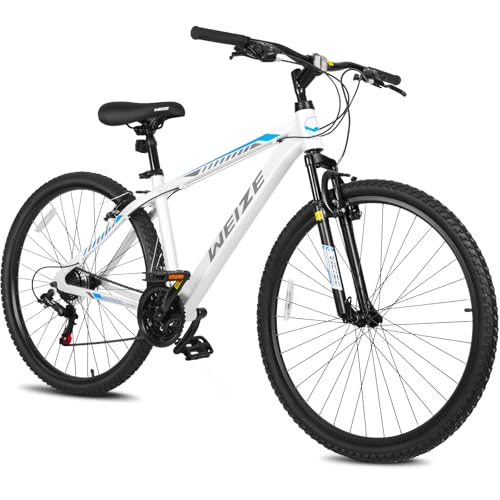
The WEIZE Hardtail Mountain Bike features a lightweight 6061 aluminum frame and 29-inch wheels, designed for all-terrain adventures. Suitable for riders approximately 5’4″ to 6’2″ tall, it emphasizes efficiency on smooth climbs and confident handling on varying surfaces. The frame’s rigidity supports precise steering and predictable suspension behavior, making it a practical choice for riders exploring mixed-terrain routes.
Key considerations: wheel size impacts rollover capability and acceleration. A hardtail design reduces maintenance while delivering dependable performance on light trails and daily commuting. Braking performance and component quality determine longevity under frequent, mixed-use riding.
WEIZE Mountain Bike, 27.5 Inch, Dual Suspension

This WEIZE model offers 27.5-inch wheels with dual full suspension for a smooth ride over rough terrain. An adjustable ergonomic saddle enhances comfort for longer sessions, while the 18-speed setup lets riders adapt to climbs and descents. The suspension system helps absorb impacts from roots, rocks, and uneven paths, contributing to better control on mixed surfaces.
Key considerations: suspension tuning and frame material affect ride quality and durability. Suitability depends on rider height, terrain variety, and preference for a smoother or stiffer ride. Braking power remains a core safety factor in diverse conditions.
Mongoose Grafton Mountain Bike, 26 Inch

The Mongoose Grafton is a 26-inch hardtail designed for both men and women, featuring modern geometry and an aluminum frame. Its 2.3-inch knobby tires provide reliable grip on loose dirt and rocky trails, while the internal headset offers a clean look and responsive steering. A front suspension fork helps absorb small bumps for a controlled ride in mixed terrains.
Key considerations: wheel choice influences handling on steep climbs and descents. Aluminum frames balance weight and durability, but rider weight and terrain should guide tire selection and suspension tuning for optimal traction.
Max4out 26 Inch Mountain Bike, Full Suspension

The Max4out 26-inch mountain bike features dual full suspension and a high-carbon steel frame. This setup is designed for riders who encounter rough trails and uneven terrain, making it a versatile option for rugged adventures. With a seven-speed system, the bike supports varied terrain and rider preferences, including those who enjoy urban riding as well as off-road exploration.
Key considerations: full suspension adds weight but improves comfort over long rides and technical sections. Frame integrity and component quality should be weighed against riding goals, especially when tackling rocks and roots on mixed-terrain routes.
QARSWA 24 Inch Mountain Bike, Dual Full Suspension

This 24-inch QARSWA model suits adult riders seeking a compact trail bike with full suspension. Its 21-speed drivetrain provides versatile gearing for varying grades, while dual suspension helps cushion bumps on both the front and rear. The quick-release front wheel adds convenience for transport and storage, and dual fenders help manage mud in wet conditions.
Key considerations: wheel size influences handling and ride feel on tight or technical trails. A compact frame can be easier to maneuver for smaller riders, but riders over 5’6″ may prefer larger wheels for stability on longer rides.
Buying Guide: Key Purchase Considerations And Comparisons
Wheel size and geometry: Larger front wheels (29″) roll over obstacles more easily but can affect acceleration and maneuverability. Smaller wheels (24″–27.5″) offer tighter handling, better agility, and lighter weight—useful for beginners or riders navigating tight trails. For mullet setups, consider mixed-wheel configurations that blend rollover capability with nimble handling on tight sections on the rear wheel.
Suspension: Hardtails are lighter and simpler to maintain, ideal for beginners and riders prioritizing efficiency. Full-suspension models ride smoother over rough terrain, at the cost of extra weight and maintenance. If you plan frequent singletrack and rocky descents, full suspension may be advantageous.
Frame material: Aluminum frames provide a strong, lightweight option with good durability. Steel frames feel sturdier and can absorb more vibration but add weight. Carbon frames are common in higher-end bikes for performance, though not always necessary in entry-level models.
Gearing: 18–21 speeds cover a broad range of terrains. More gears help on steep climbs, while fewer gears can simplify shifting. Consider your typical riding terrain—urban commuting, gradual hills, or technical trails—when selecting speed options.
Brakes: Disc brakes (mechanical or hydraulic) deliver consistent stopping power in varied conditions. Ensure brake strength matches riding style and conditions you encounter, especially in wet or muddy environments.
Fit and comfort: Riding position and saddle comfort impact endurance and control. Choose an adjustable saddle and handlebar setup that matches your height and reach. Always verify recommended rider height ranges in product specifications.
Maintenance: Aluminum frames and standard components reduce maintenance compared with more advanced materials. Check availability of spare parts and local service options to keep rides reliable over time.
Budget and intent: For casual riding or commuting on mixed surfaces, a hardtail with appropriate wheel size often suffices. For more serious trail riding, a dual-suspension model may improve control and comfort on rough terrain, justifying the higher investment.
Safety and resale: Inspect build quality, warranty offerings, and return policies. Brands with solid customer support and established spare parts ecosystems tend to provide greater long-term value and resale potential.