Choosing the right weightlifting shoes can improve stability, posture, and lifting efficiency across squats, deadlifts, and Olympic lifts. This guide reviews five top options, highlighting design features, materials, and grip that matter most for American lifters pursuing heavier loads and safer form. Each shoe is evaluated for stability, heel height, and fit to help you select footwear that aligns with your training goals and foot type.
| Product | Brand | Key Feature | Amazon Link |
|---|---|---|---|
| Osterland | https://www.amazon.com/dp/B0BYZ8CJFD?tag=hulkstrength-20 | ||
| adidas | 15 mm heel lift; breathable upper | https://www.amazon.com/dp/B0F4WSG315?tag=hulkstrength-20 | |
| adidas | Durable canvas upper; locked-down fit | https://www.amazon.com/dp/B0CKMFTMRC?tag=hulkstrength-20 | |
| Nordic Lifting | 1.4″ elevated heel; stable base | https://www.amazon.com/dp/B01M7VSJTE?tag=hulkstrength-20 | |
| Nike | Wide straps; rigid midsole; stable outsole | https://www.amazon.com/dp/B0DJDRY7T9?tag=hulkstrength-20 |
Note: The table above highlights a cross-section of products well-suited for varied lifting styles, from powerlifting to cross-training. Each option emphasizes stability, heel height, and grip, with materials designed to balance weight, support, and durability for frequent use.
Osterland Weightlifting Shoes

Osterland weightlifting shoes feature a durable rubber outsole designed to secure the foot and provide anti-slip grip during high-intensity lifts. The double-layer nylon Velcro straps and one-piece design promote a snug, stable fit, reducing foot movement during heavy sets. A 1.3-inch elevated heel helps align the ankle and knee for deeper squats and improved lifting posture, while the raised front and back sole design supports flex and friction for better stability under load.
Adidas Unisex-Adult Powerlift 5

The Powerlift 5 emphasizes versatility and comfort. It combines materials that balance breathability with durability and includes a 15 mm heel lift. The upper uses a textile and synthetic blend to keep the shoe light while maintaining durability, which helps athletes transition quickly from warm-ups to heavy lifts. The design supports a stable base when pushing through the heels, aiding in power transfer and form under varied loads.
adidas Adipower Weightlifting 3

Adipower Weightlifting 3 is designed for performance and strength, with a durable canvas upper and a dedicated lock-down strap to secure the foot. Its high-density midsole provides added support under heavy loads, offering a solid foundation for squats and Olympic lifts. The combination of a robust upper and rigid underfoot construction supports efficient force transfer from ground to bar while maintaining comfort during extended sessions.
Nordic Lifting MEGIN
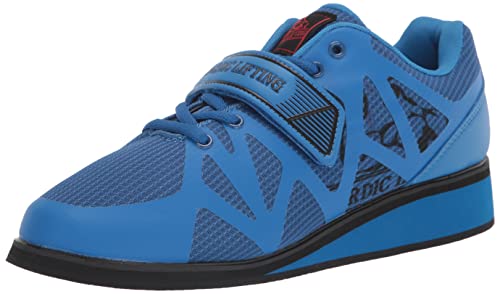
Nordic Lifting MEGIN elevates with a 1.4-inch heel to deepen squats and elevate lifting posture. The shoe is built for stability, featuring a solid base and non-slip soles to maintain traction on gym surfaces during max lifts. The emphasis on a secure fit and reliable grip makes it a strong option for serious lifters who perform heavy squats, deadlifts, and Olympic movements while needing consistent contact with the floor.
Nike Romaleos 4

Romaleos 4 delivers a secure fit through wide straps and a stiff, rigid midsole designed for maximum power transfer. The wide heel creates a stable base for heavy lifts, and the secure lacing system stabilizes the foot to prevent unwanted movement. This combination is aimed at athletes who perform heavy squats and deadlifts, seeking consistent force transmission and a reliable platform for explosive movements.
Buying Guide: Key Purchase Considerations
- Heel height and lifting style: Higher heels help with ankle dorsiflexion for deep squats, while a flatter profile may suit certain deadlift optimization or mid-range lifts. Match heel height to your mobility and training emphasis.
- Stability vs. flexibility: A firmer sole and supportive upper provide stability for heavy lifts, but some lifters prefer a touch of flexibility for dynamic movements. Consider your preferred lift types and training volume.
- Fit and lockdown system: Look for models with secure straps or a robust lacing system to minimize foot movement during lifts. A snug, even fit across the midfoot helps prevent energy leaks during pushes and pulls.
- Outsole grip and flat contact: A durable, non-slip outsole with reliable ground contact prevents slips during heavy reps. Check for grooves or rubber compounds designed for gym surfaces.
- Materials and durability: Upper materials should balance breathability with abrasion resistance. Durable midsoles and reinforced toe boxes extend shoe life under heavy loads.
- Weight and comfort: Lighter weight shoes can reduce fatigue in long sessions, but should not compromise stability. Consider cushioning in the interior for comfort without sacrificing structure.
- Fit for wide or narrow feet: Some models accommodate wider feet with roomier toe boxes, while others provide a snug, narrow profile. If possible, try on different widths or check return policies for online orders.
- Mercury of sustainability: Several models incorporate recycled content in uppers or midsoles. If sustainability matters, review material disclosures and certifications provided by the brand.
When selecting weightlifting shoes, consider your primary lifts, mobility, and training frequency. The five options above provide varying blends of heel height, materials, and lockdown features to accommodate a range of lifters, from competitive powerlifters to cross-training athletes. For best results, pair footwear with a solid warm-up, a disciplined technique focus, and progressive overload to maximize performance and reduce injury risk.