Finding the right running belt can improve comfort, hydration, and organization on long training runs and marathons. This guide highlights five top belts designed for endurance workouts, daily runs, and race day. Each option balances fit, capacity, and durability, helping you carry essentials without distraction. Read on for practical buying tips and a closer look at five vetted products from trusted brands.
Summary of Selected Belts
| Product | Brand | Key Benefit | Smart Fit Range |
|---|---|---|---|
| Fitgriff Running Belt | Fitgriff | Secure pocket for phones and small items; sweat protection | Waist 24.5″ – 35.5″ |
| AiRunTech Hydration Belt | AiRunTech | Built-in water bottles; low-bounce design | Hip range 18″ – 51.2″ |
| RJ-Sport Triathlon Belt | RJ-Sport | Race bib holder with gel loops; adjustable waist | Waist 30″ – 38″ |
| WATERFLY Running Belt (Large Pocket) | WATERFLY | Three pockets; moisture-wicking fabric | Waist 27″ – 48″ |
| FlipBelt Level Terrain Waist Pouch | FlipBelt | Non-bounce design; convenient multi-access pockets | One-size fits most |
These belts are chosen for versatility across marathon training, daily runs, and race-day needs. Each product emphasizes secure storage, comfortable wear, and durability under sweat and movement. The following sections provide detailed overviews, including practical considerations to help you decide which belt best aligns with your running style.
Fitgriff Running Belt For Men & Women

The Fitgriff belt offers a secure pouch for phones and essentials, with a separate pocket for keys and cards. It accommodates most smartphones in the main compartment and protects valuables from sweat and light rain. While not 100% waterproof, it provides solid moisture resistance ideal for daily runs, training, and travel. The waist size range supports a broad spectrum of body types, contributing to a stable, non-bouncy feel during runs.
AiRunTech Hydration Running Belt

This belt blends hydration and storage with two BPA-free 175 ml bottles and a roomy 6.5-inch pocket for a phone or essentials. It features anti-slip tape and a low-bounce, personalized fit for hips from 18 to 51.2 inches. The leakproof nozzles make drinking on the move easy, and the design is contoured to stay in place during long runs, triathlons, and marathons. It’s well-suited for runners who want hands-free hydration without sacrificing storage.
RJ-Sport Triathlon Belt With Pouch

The RJ-Sport belt emphasizes universal phone compatibility, with room for a phone, keys, and cash. It doubles as a bib holder with security for race numbers, while the adjustable waist (30″–38″) offers a snug, comfortable fit. The design aims to minimize bulk and prevent shifting, making it a dependable choice for races, cycling, and marathon training where bib attachment and quick access to essentials matter.
WATERFLY Running Belt Fanny Pack (Large Pocket)

This belt emphasizes a large main pocket plus multiple smaller compartments, offering substantial capacity for essentials, cards, keys, and energy gels. The fabric is lightweight, sweat-wicking, and quick-drying, with a secure clip and stretch strap to minimize bounce. It fits waists from 27 to 48 inches, making it a flexible option for long runs and crowded race environments where storage needs can vary.
FlipBelt Level Terrain Waist Pouch
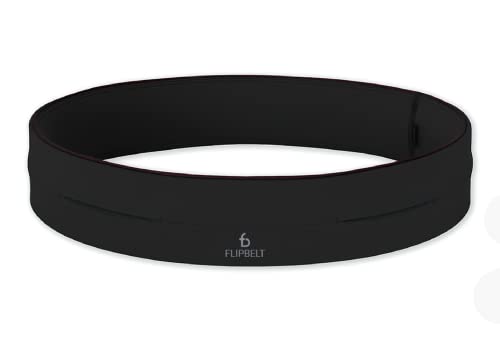
The FlipBelt features multiple access pockets with no buckles to avoid chafing. Its non-bounce, even design distributes weight evenly, which helps reduce movement during runs. The belt is designed to be worn close to the body and can be layered under or over clothing, making it adaptable for various weather conditions and pacing strategies during marathons and long-distance events.
Fitletic Ultimate II Running Belt
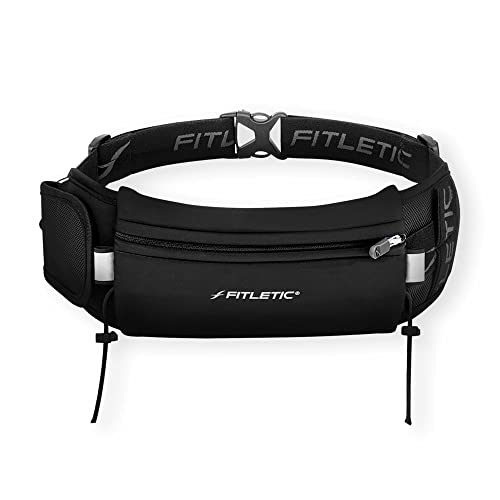
The Fitletic Ultimate II provides an all-in-one pouch with space for phones, cards, keys, and energy gels. It features a patented no-bounce design and an adjustable band that stays close to the body. Additional pockets and loops support bibs and gels. This belt is aimed at runners who want a secure, race-ready setup with easy access to essentials without interference during movement.
Slim Running Belt Fanny Pack

The Slim Running Belt emphasizes a low-profile design that fits all phones with cases. It prioritizes non-bouncing performance and offers an adjustable strap for waists from 27″ to 46″. The pocket is expandable to carry daily essentials while staying discreet under workout attire, making it suitable for runners who prefer a minimalistic setup.
Buying Guide: Key Considerations for Marathon-Ready Running Belts
- Capacity and organization: Decide how many items you carry—phone, ID, keys, gels, and cash—and choose belts with multiple pockets or a larger main pocket to keep items organized and easily accessible.
- Fit and bounce: Look for adjustable straps and anti-bounce features. A belt that stays in place reduces chafing and distraction during long runs and on raceday.
- Hydration options: If you run with water, consider belts with built-in bottles or compatible bottle holders. Ensure the bottles are easy to access without disrupting your stride.
- Weather protection: Sweat-wicking fabrics and splash resistance help protect valuables, but note that most belts are not fully waterproof. Consider your climate and rain scenarios when choosing a model.
- Phone compatibility: Ensure the main pocket accommodates your phone size and case. Some belts offer large pockets capable of holding larger devices up to modern models.
- Ease of use: Check for quick-access features like bib clips, gel loops, and card slots. The belt should enable fast transitions between fueling, hydration, and bib adjustments during a race.
- Durability and washability: Durable zippers, fabric, and seams matter for repeated training cycles. Look for belts that hold up to washing without losing elasticity or shape.
- Weather and layering: Consider whether you need a belt that can be worn under outer layers or used over apparel, particularly in cooler marathon conditions.
Choosing the right running belt involves balancing capacity with comfort. For long-distance training and marathons, prioritize a non-bounce fit, secure storage, and hydration options that suit your pacing and fueling plan. The belts reviewed here represent a range of setups—from light, minimal pockets to more feature-rich options with hydration and bib management—allowing you to tailor your choice to your marathon routine.