For runners dealing with ankle soreness, choosing shoes that offer holistic support, stable guidance, and cushioned landings can reduce discomfort and improve form. Below are five well-regarded options that emphasizeGuideRails or structured support, responsive cushioning, and breathable comfort to help protect tired ankles during runs and training sessions.
| Product | Brand | Key Benefit |
|---|---|---|
| Brooks Adrenaline GTS 24 | Brooks | Holistic support with dynamic cushioning |
| ASICS Gel-Contend 9 | ASICS | Soft cushioning and breathable mesh |
| Brooks Glycerin GTS 22 | Brooks | Enhanced support with plush cushioning |
| New Balance Fresh Foam 520 V9 | New Balance | Ultra-cushioned ride with breathable upper |
| Under Armour Charged Assert 9 | Under Armour | Lightweight, stable ride with midfoot support |
Brooks Adrenaline GTS 24 Supported Running Shoe

The Brooks Adrenaline GTS 24 is designed for stability and comfort across long miles. It features a Guiding Rails holistic support system that helps keep your body in its natural motion path while limiting excess movement that can irritate sore ankles. The nitrogen-infused DNA Loft v3 midsole cushioning delivers a soft, plush ride that adapts to your stride, reducing impact forces at the heel and ankle joint. This model is positioned as a supportive option for walkers and runners who need dependable guidance without sacrificing comfort.
Key takeaways for sore ankles: stable guidance during midstance, cushioned landings to minimize impact, and a design that supports gradual, controlled transitions. Ideal for road runs, gym workouts, and daily training where ankle fatigue is common.
Brooks Glycerin GTS 22 Supportive Running Shoe

The Brooks Glycerin GTS 22 is the more supportive variant of the Glycerin line, incorporating the GuideRails system to minimize excess motion and support natural foot movement. DNA Tuned cushioning provides excellent landings with a plush feel, particularly beneficial for individuals dealing with ankle soreness where stable foot placement and reduced micro-movements matter. This shoe blends luxurious cushioning with reliable support for daily miles, easy jogs, and longer runs where ankle comfort is essential.
Important considerations include its balance of soft cushioning and stabilizing tech, the target market being runners needing extra guidance, and its suitability for varied workouts—from easy runs to longer distances.
New Balance Fresh Foam 520 V9 Running Shoe

The New Balance Fresh Foam 520 V9 delivers a lightweight, ultra-cushioned ride with a breathable engineered mesh upper. This model aims to reduce fatigue and ankle strain by providing a balanced, soft landings experience that still offers mobility and a secure fit. While not explicitly marketed as a stability shoe, the cushioned midsole and breathable design support comfortable, repetitive impact absorption—an appealing choice for runners seeking a gentle, forgiving feel for sore ankles during longer runs or recovery sessions.
Under Armour Charged Assert 9 Running Shoe
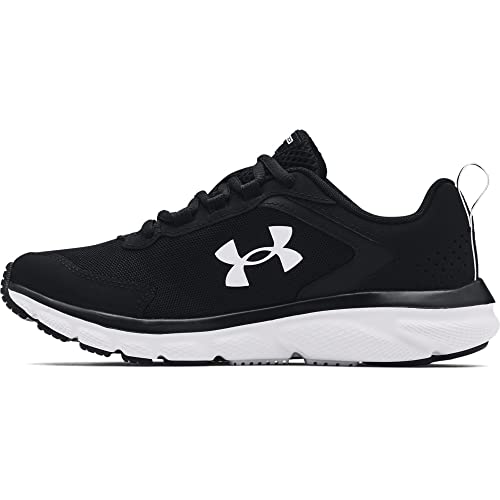
The Under Armour Charged Assert 9 focuses on a breathable upper, a soft cushioned ride, and midfoot support to help keep the foot centered during light training or longer walks. For runners dealing with ankle soreness, the combination of a mesh upper for airflow and a stable midsole can support comfortable sessions without compromising speed. It suits daily runs, gym sessions, and transitional workouts where ankle comfort is a priority.
Buying Guide: Key Purchase Considerations For Ankle Comfort
- Stability vs. cushioning: Shoes with guided support systems (like GuideRails) tend to stabilize the foot and ankle, while high-cushion models can reduce impact forces. Choose based on whether your soreness stems from instability or pounding impact.
- Midsole technology: Look for responsive yet forgiving foams (e.g., DNA Loft, Fresh Foam) that absorb shock without overly collapsing at mid-stance. A balanced ride reduces ankle strain during longer efforts.
- Arch and heel support: A secure heel lockdown and reinforced arch support help minimize excessive ankle rolling. Try shoes with structured uppers and supportive overlays if you have persistent soreness.
- Fit and sizing: Ensure your toe box allows natural movement, as cramped toes can worsen discomfort. If you’re between sizes, size up for reduced compression and improved comfort during swelling.
- Intended use: Road running shoes are generally optimized for predictable surfaces; consider training shoes with wider stability features if you run on mixed terrain or have a history of ankle sprains.
- Breathability and weight: A cooler, lighter shoe reduces fatigue and helps maintain form over longer sessions, which is beneficial when ankles are sore.
- Diabetic and medical considerations: Some models carry certifications (like PDAC A5500) that indicate broader medical suitability; consult a clinician if you have specific health concerns.
In evaluating options for sore ankles, prioritize shoes that provide a blend of stability, cushioning, and a secure fit. The selections above represent options across price points and tech profiles, allowing runners to compare how each balance support with comfort.