This guide highlights top winter running shoes and boots designed to keep feet dry, warm, and stable across icy and snowy conditions. Each product emphasizes water resistance, warmth, and durable traction, helping you maintain performance year-round.
Below is a quick table summarizing the five selected products, including brand and model focus. Use this as a reference to compare features at a glance.
| Product | Brand | Notes |
|---|---|---|
| FRGITYGIFT Hike Footwear Barefoot Shoes | FRGITYGIFT | Water-resistant, wide toe box, flexible soles |
| New Balance DynaSoft Nitrel V6 Trail | New Balance | Adaptive midsole with versatile traction |
| ASICS Gel-Venture 10 Winter | ASICS | GEL cushioning, breathable mesh, winter-ready |
| Brooks Ghost 16 Weatherized | Brooks | Weatherproof upper, soft cushioning |
| Columbia Konos TRS Outdry Mid Waterproof | Columbia | OutDry waterproofing, stable midfoot |
FRGITYGIFT Hike Footwear Barefoot Shoes

This FRGITYGIFT model combines water-resistant fabric with a flexible barefoot design, ideal for winter workouts and light hiking. The umbrella cloth and suede leather repel moisture, keeping feet dry in rain or light snow. A wide toe box accommodates various foot shapes, while the plush lining provides 360-degree warmth for cold-weather outings. The soft, bendable sole supports natural movement without cracking in low temperatures, which helps with quick, comfortable transitions on winter trails.
New Balance DynaSoft Nitrel V6 Trail Running Shoe

The New Balance DynaSoft Nitrel V6 blends responsive midsole cushioning with versatile AT Tread outsole traction for mixed winter terrains. The no-sew overlays reduce potential irritation, offering a smooth, secure ride whether you’re trekking on snowy trails or icy pavement. The model aims to balance comfort and durability, making it a practical option for daily winter runs and weekend adventures.
ASICS Gel-Venture 10 Winter

ASICS Gel-Venture 10 Winter delivers breathable mesh for airflow and a solution-dyed sockliner that reduces water usage and emissions. Rearfoot GEL cushioning enhances impact absorption, delivering a gentler footstrike in cold conditions. The shoe aims to provide reliable comfort and protection for winter road and light trail running, helping runners maintain form despite temperature changes.
Brooks Ghost 16 Weatherized
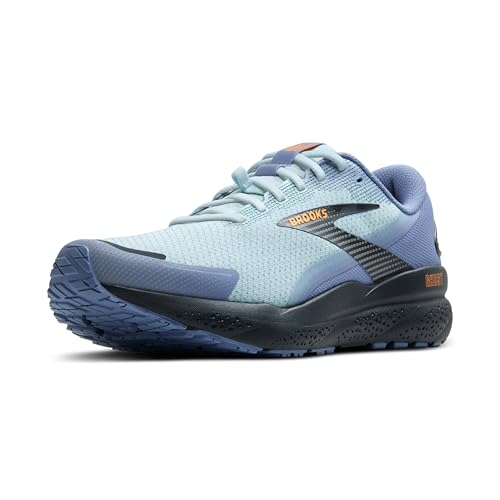
The Ghost 16 Weatherized offers strong traction on wet and dry surfaces with a weatherproof, reflective upper. DWR-treated mesh helps regulate temperature and keep feet dry, while nitrogen-infused DNA Loft v3 cushioning delivers a soft, lightweight ride. This model targets road running and light trail use, maintaining comfort in mixed winter conditions and improving visibility in low light.
Columbia Konos TRS Outdry Mid Waterproof

Columbia Konos TRS Outdry Mid Waterproof boots are built for rain and snow with an impenetrable waterproof-breathable membrane. The NAVIC fit system provides mid-foot lockdown for stability on uneven terrain, while the Omni-Max Plus midsole supports comfort and balance. This option suits winter hikes and cold-weather miles where weather resistance and reliable footing are essential.
Buying Guide: Winter Running Shoes And Boots
- Weatherproofing: Prioritize waterproof or water-resistant uppers (OutDry or DWR-treated fabrics) to keep feet dry on slushy days and wet pavement.
- Insulation and warmth: Look for plush linings or thermal Insulation that maintain warmth without excessive bulk, while allowing breathability to prevent overheating during runs.
- Traction: Winter surfaces demand reliable grip. Choose outsoles with high-traction tread, wide studs, or carbide spikes if you encounter ice or packed snow.
- Fit and toe box: A roomy toe box reduces numbness and cold exposure. Ensure correct size for thick winter socks and consider models with adjustable lacing or wider widths.
- Cushioning and support: Neutral vs. stability profiles affect comfort over longer winter sessions. Nitrogen-infused foams and gel systems can offer premium underfoot feel without overheating.
- Breathability and moisture management: Even in cold weather, moisture management is critical to prevent damp feet. Mesh uppers with moisture-wicking linings help.
- Durability and protection: Cold temperatures can make rubber stiffer; look for flexible, crack-resistant soles and reinforced toe caps for trail use.
- Intended use: Distinguish daily training shoes from winter hiking boots. For icy roads, consider additional traction aids such as screw studs or compatibility with ice cleats.
- Weight and bulk: Winter footwear may be heavier; balance warmth and weight based on how far you run and the terrain.
In evaluating options, users should weigh warmth and water resistance against flexibility and traction. For urban winter runs, a weatherized shoe with solid cushioning and reliable grip is typically sufficient. For more severe snow or mixed trails, a waterproof boot or a boot-like trail shoe with enhanced outsole traction can provide the extra stability needed in challenging conditions.