For runners seeking plush forefoot landings and energetic toe-offs, cushioning focused in the forefoot can make a noticeable difference. The following picks emphasize responsive midsole tech and step-friendly designs that help you glide through each stride. Below are five well-regarded options from Brooks and Nike that prioritize cushioned forefoot response, suitable for road runs, workouts, and daily training.
| Product | Brand | Key Cushioning Tech | Notes |
|---|---|---|---|
| Brooks Women’s Glycerin 22 Neutral Running Shoe | Brooks | DNA Tuned Cushioning | Max cushioning, neutral support |
| Nike Men’s Revolution 8 Road Running Shoes | Nike | Foam midsole with forefoot flex grooves | Soft ride, flexible forefoot |
| Brooks Men’s Launch 11 Neutral Running Shoe | Brooks | DNA FLASH foam and forefoot V2 cushioning | Responsive, lightweight for fast workouts |
| Nike Women’s Revolution 8 Road Running Shoes | Nike | Foam midsole, forefoot flex grooves | Comfortable and cushioned ride |
| Brooks Women’s Glycerin GTS 22 | Brooks | DNA Tuned Cushioning with GuideRails | Supportive, cushioned with stability |
Brooks Women’s Glycerin 22 Neutral Running Shoe

This women’s model centers on DNA Tuned cushioning, blending dual-size cells to offer plush landings with energetic toe-offs. It is a neutral shoe with maximum cushioning and is noted as APMA-accepted, suitable for long runs and cross-training. The forefoot area benefits from targeted cell design to encourage responsive propulsion while maintaining soft transitions.
Nike Men’s Revolution 8 Road Running Shoes
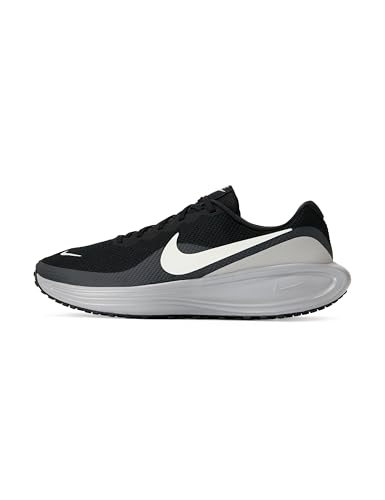
These road runners feature a foam midsole that delivers a soft ride, with an outsole designed for intuitive Nike performance. Forefoot flex grooves promote a cushioned, flexible feel during each stride, and translucent mesh layering adds breathable comfort for longer runs or daily training sessions.
Brooks Men’s Launch 11 Neutral Running Shoe

The Launch 11 uses DNA FLASH foam for quick energy return and a lightweight, breathable upper. The forefoot cushioning setup is designed to deliver a responsive ride with easy transitions, making it a strong option for faster-paced training and road workouts. RoadTack outsole improves traction where you need it most.
Nike Women’s Revolution 8 Road Running Shoes

This women’s variant offers a foam midsole for a soft ride and a flexible forefoot design via flex grooves. The combination supports comfortable daily running with a cushioning focus in the forefoot area, along with translucent mesh for ventilation and a supportive inner layout.
Brooks Women’s Glycerin GTS 22

The Glycerin GTS 22 adds GuideRails support to the already plush DNA Tuned cushioning, aligning your natural motion and limiting undue movement. This model suits runners who want maximum cushioning with an emphasis on stability, making it a balanced choice for longer runs or mixed workouts where a bit more support helps maintain form.
Buying Guide: Forefoot Cushioning For Runners
- Cushioning vs. support: Forefoot-focused cushioning often sits alongside stable midsole reinforcement. Decide whether you primarily need soft landings (cushioning) or additional guidance (support/GuideRails) for overpronation or fatigue.
- Midsole materials: Look for technologies described as DNA Tuned, DNA FLASH, or adaptable foams that emphasize energy return and plush forefoot landings. These are designed to improve comfort during higher-impact segments of your run.
- Forefoot geometry: Shoes with a well-designed forefoot area (smaller cells or targeted landings) encourage quicker propulsion off the ball of the foot while maintaining a soft initial contact.
- Intended use: Road running shoes with forefoot cushioning can also be suitable for cross-training, gym work, and daily wear. Consider your primary use to pick the most versatile option.
- Fit and width: If you have wider feet or require a specific width, verify availability (e.g., medium or wide) to prevent forefoot crowding, which can negate cushioning benefits.
- Durability and maintenance: Check outsole and midsole durability for longer training cycles. Foam-based cushions typically compress over time, so plan for gradual changes in feel with mileage.
- Allergy and skin comfort: Materials like breathable mesh and smooth linings contribute to comfort during longer sessions, reducing irritation in sensitive areas.
- Brand and warranty considerations: Established brands offer longer-term warranties and better post-purchase support, which can be valuable for frequent runners.
When choosing among these options, consider your typical terrain, running pace, and whether you prefer a softer landing with maximum cushioning or a slightly firmer, more responsive feel. Forefoot cushioning can enhance comfort on longer runs and may improve overall economy by enabling a smoother toe-off.