People with flat feet often need footwear and insoles that provide superior arch support, stable heel positioning, and effective shock absorption. The following selections focus on running-friendly options designed to alleviate pronation, plantar fasciitis, and general foot fatigue. Each product features materials and designs aimed at promoting proper alignment and comfort during running, walking, or daily activities.
Summary of selected products:
- Inserts Relieve Plantar Fasciitis – Flat Feet Insoles Arch Supports, Orthotic Insoles
- Sofier No Show Socks Womens, Non Slip Low Cut
- Women’s Orthopedic Diabetic Wide Sneakers: Arch Support and Comfort
- FLYPP LX Barefoot Running Shoes with Wide Toe Box
- Joomra Minimalist Trail Running Shoes with Removable Insoles
Inserts Relieve Plantar Fasciitis – Flat Feet Insoles Arch Supports, Orthotic Insoles

These orthotic insoles are designed to address flat feet and pronation by providing arch support that improves foot and leg alignment. The deep heel cup helps maintain correct positioning during foot strike, stabilizing the foot on impact. Crafted from premium EVA material, they offer shock absorption to reduce fatigue and discomfort in the heel and arch areas. The fabric is engineered to help keep feet cool during long runs or daily wear, making them suitable for extended use. Suitable for both men and women, this insert pair targets plantar fasciitis symptoms and related discomfort.
Sofier No Show Socks Womens, Non Slip Low Cut 6 Pairs

While not a shoe, the right socks can complement an orthotic strategy by reducing moisture, preventing slippage, and maintaining comfort. These no-show socks feature a silicone grip at the heel and arch to prevent slipping inside running shoes. The ice silk fabric keeps feet cool and dry, making them a practical choice for warm-weather runs or day-long activities. The thin, breathable design aims to disappear under low-cut shoes, helping maintain a sockless appearance while providing moisture management and foot freshness.
Women’s Orthopedic Diabetic Wide Sneakers: Arch Support and Comfort

These sneakers prioritize a wide toe box and easy on/off wear with an elastic cuff. They provide substantial arch support and an ergonomic design intended to accommodate wider feet, diabetes-related needs, and plantar fasciitis discomfort. The primary focus is on comfort, postural alignment, and heel-to-toe stability. The roomy toe area helps reduce pressure points, while the supportive midsole structure aims to promote better walking and running mechanics for individuals who require a gentler, more accommodating fit.
FLYPP LX Men’s and Women’s Barefoot Running Shoes with Wide Toe Box
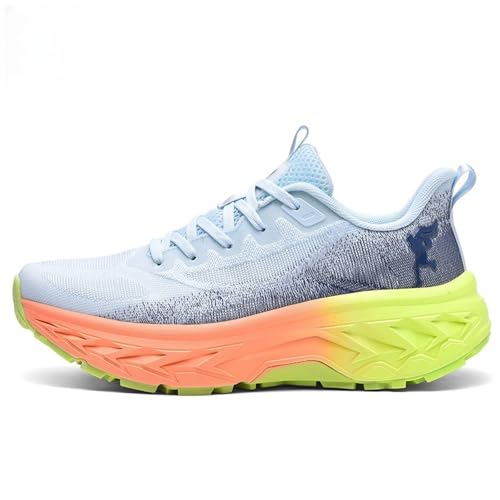
These minimalist shoes emphasize natural foot movement with a wide toe box and a zero-drop sole. The design aims to promote proper posture and balance while offering protection from rough terrain through a thin, flexible outsole. Traction is enhanced with a multi-directional tread, making them suitable for trail, gym, and daily runs. While they favor a barefoot-like feel, the outsole provides necessary protection, allowing users with flat feet to experiment with foot positioning and proprioception during runs and walks.
Joomra Minimalist Trail Running Shoes

Joomra’s minimalist design focuses on balance between grip and lightweight construction. The rubber outsole and circular lug patterns offer reliable traction on varied surfaces, while removable insoles allow for customization of arch support. The thicker topline helps keep the shoe firmly in place during movement, making these a practical option for runners or hikers who require adaptable fit and foundational arch support without sacrificing a barefoot, responsive feel.
Buying Guide: Key Purchase Considerations For Flat Feet And Running
Choosing footwear and inserts for flat feet involves evaluating how each option supports stability and reduces strain during movement. Consider arch height, arch type (low, neutral, or high), heel cup depth, and midfoot rigidity when assessing insole fit and shoe design. For runners, a combination approach—supportive insoles paired with shoes that have a roomy toe box and stable heel geometry—often yields the best results. Materials matter: EVA foam and PORON provide cushion, while rigid TPU cups offer structural support. For socks, look for moisture-wicking fabrics and grippy heel features to minimize slippage inside shoes. Finally, ensure proper sizing and consider a break-in period to adapt to new footwear. Comparing fit, comfort, and impact on symptoms like plantar fasciitis or pronation will guide better long-term choices.
Product features to compare:
- Arch support depth and stability mechanisms
- Heel cup design and heel-to-toe drop
- Shock absorption and material resilience
- Breathability and moisture management
- Toe box width and overall shoe geometry
- Removability and customization of insoles
When selecting options for flat feet, consider your activity level, common surfaces, and any preexisting conditions such as plantar fasciitis, Achilles tendonitis, or diabetic foot considerations. For some, a trial period with different insoles or minimalist shoes can help determine which combination best supports natural foot mechanics while maintaining comfort during runs and daily activities. Always consult with a podiatrist or medical professional if you experience persistent pain or unusual foot changes.