Finding footwear that supports weak or tender ankles can reduce pain, improve stability, and enhance daily comfort. The following selections focus on wide fits, arch support, cushioning, and easy on/off designs to accommodate swelling, neuropathy, plantar issues, and other ankle-related concerns. Each option below is sourced from reputable brands and designed to help distribute pressure more evenly while maintaining a secure footing during walking and daily activities.
Summary of Selected Products
- Spesoul Wide Womens Walking Shoes
- SHULOOK Womens Slip On Walking Shoes
- Brooks Women’s Glycerin 22 Neutral Running Shoe
- YESWIN Women Arch Support Orthotic Walking Sandals
- FitVille Men’s Extra Wide Slip On Walking Shoes
Product choices emphasize wide toe boxes, adjustable closures, breathable uppers, and cushioning that can help with edema, neuropathy, and plantar issues. This guide highlights how each pair approaches ankle comfort from different angles—static stability, dynamic cushioning, and easy accessibility—so you can compare features without guessing how they’ll feel after hours of wear.
Spesoul Wide Womens Walking Shoes Overview

These wide-width walking shoes prioritize a roomy toe box to accommodate swelling and the natural shape of the foot. An adjustable hook-and-loop strap makes it easy to customize the fit for different days—an important feature when ankles feel more swollen or stiff. The knit upper is breathable, helping keep feet dry during extended wear, and the zero-drop design aligns with comfort goals for better foot and ankle alignment. The asymmetrical needs of neuropathy, edema, bunions, and plantar fasciitis are addressed with a combination of space, adjustability, and breathable materials that promote long-day comfort.
SHULOOK Slip On Walking Shoes For Easy Maneuverability

Slip-on design with an easy pull-on/adjustable fit offers convenience for those with limited bending or stiffness in the ankles. The mesh upper enhances breathability to keep feet cool, reducing moisture buildup that can worsen discomfort. A lightweight outsole provides flexible support, while the non-slip components help reduce the risk of slips when your ankles feel less stable. This option suits individuals seeking straightforward wearing without sacrificing daily support, especially when edema fluctuates or when quick shoe changes are needed after swelling or activity.
Brooks Glycerin 22: Plush Cushioning And Diabetic-Ready

Designed for superior cushioning, the Glycerin 22 uses DNA TUNED technology to balance plush landings with energetic toe-offs. This neutral, high-cushion running shoe is PDAC A5500 Diabetic approved and APMA-sealed, offering confidence for wearers dealing with neuropathy or edema in the feet. The shoes provide stability and a generous midsole feel, which can help reduce the impact on the ankles during daily walking, gym sessions, or long-distance activities. If ankle comfort hinges on soft landings and reliable support, this option delivers a premium cushioning experience.
YESWIN Arch Support Sandals For Plantar Comfort
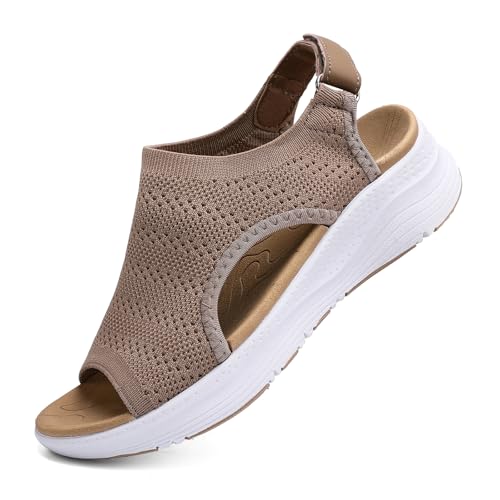
This arch-support-focused sandal provides a breathable open-toe design with lightweight construction to minimize fatigue during warm-weather activities. A sturdy outsole yields stability for longer walks, while the orthopedic design targets plantar fascia relief and general foot posture alignment. An adjustable strap system allows a customized fit around the ankle and midfoot, an essential feature for individuals dealing with swelling or varying ankle comfort levels across the day. The combination of open construction, arch support, and stability makes this a practical option for sunny days or casual outings.
FitVille Extra Wide Slip On Walking Shoes

FitVille emphasizes an extra-wide toe box and a one-piece stretchable upper designed for easy entry without bending—beneficial for users with limited ankle flexibility or swelling. The orthotic-ready styling includes a supportive midsole and arch-friendly geometry that can help relieve pressure points often associated with plantar fasciitis or flat feet. The design aims to reduce friction and irritation inside the shoe, promoting longer wear without discomfort. This option appeals to those seeking a balance of adaptability, support, and convenient wearability for daily activities or light exercise.
Buying Guide: Key Purchase Considerations For Ankle-Friendly Shoes
- Foot width and toe box: Look for wide or extra-wide fits and roomy toe boxes to accommodate swelling and natural foot shape, reducing pressure on the toes and forefoot near the ankle.
- Arch support and orthotic compatibility: Shoes with built-in arch support or the ability to accommodate orthotics help improve foot alignment, which can reduce ankle strain during movement.
- Cushioning and midsole tech: Ample midsole cushioning absorbs shock and supports stable landings, minimizing ankle jolts during walking or running.
- Adjustability and closures: Hook-and-loop straps, slip-on designs, and adjustable laces allow a secure fit even when ankles swell or vary in comfort.
- Breathability and moisture management: Lightweight mesh uppers and breathable materials help keep feet dry, which can influence comfort when ankles are sensitive or inflamed.
- Grip and stability: Outsole traction and firm heel counter support reduce slip risk and improve balance on different surfaces—crucial for those with unstable ankles.
- Diabetic safety and foot health: For wearers with neuropathy or diabetic concerns, choose shoes with diabetic-friendly certifications, seamless interiors, and gentle stitching to minimize rubbing.
When selecting footwear for bad ankles, consider how the shoe’s design aligns with current comfort needs: wider forefoot space for edema, supportive arches to reduce ankle pronation, and a stable base for confident steps indoors or outdoors. Balancing cushioning with firm stability often yields the best long-term results for comfort and foot health.