Finding the right shoes can influence stability, posture, and overall effectiveness during glute-focused workouts. This guide highlights five footwear options designed to support activities from heavy lifting to barefoot-style squats and hip thrusts. Each pick balances stability, comfort, and natural foot motion to help you target glute development more efficiently while staying comfortable during longer sessions.
| Product | Brand | Key Benefit |
|---|---|---|
| Skerxut Fitness Shoes Deadlift Shoes Cross-Trainer Sneakers | Skerxut | Stable base for lifts and dynamic moves |
| Weweya Womens Minimalist Shoes Barefoot Gym | Weweya | Barefoot feel with a wide toe box |
| Core Weightlifting Shoes | CORE | Elevated heel for posture and stability |
| Deadlift Shoes Cross-Trainer|Barefoot & Minimalist | LARA STAR | Flat, sock-like upper for ground feel |
| Womens Cross-Trainer Barefoot Minimalist Shoes | Sisttke | Zero-drop design with wide sole |
Skerxut Fitness Shoes Deadlift Shoes Cross-Trainer Sneakers

The Skerxut fitness shoes are designed to provide a stable base for lifting and multi-directional workouts, which can help athletes focus glute effort during squats, deadlifts, and accessory movements. The design emphasizes a balanced platform that supports controlled tempo and form. A reliable outsole grip helps minimize foot movement during heavy sets, while a midfoot lockdown ensures the foot stays securely in place. The shoes are marketed as versatile cross-trainers suitable for both men and women, making them a convenient option for varied training routines that emphasize glute engagement.
Key considerations for use in glute training include how well the shoe distributes load through the heel and forefoot, as well as how the shoe accommodates transitions from heel-to-toe during hip thrusts and lunges. The Skerxut model aims to deliver a stable base with a comfortable fit, enabling athletes to maintain proper alignment through key movements that target glutes. If you perform a mix of deadlifts, hip thrusts, and squats, this could be a practical choice to keep form consistent across sessions.
Weweya Womens Minimalist Shoes Barefoot Gym Weightlifting
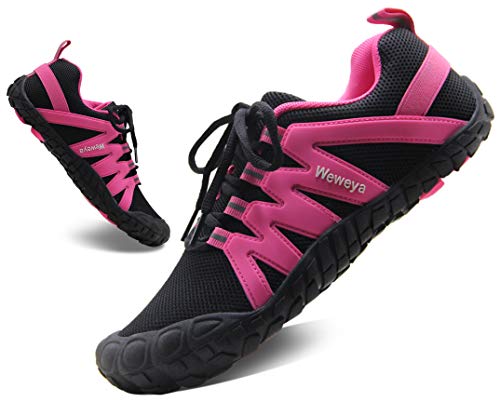
Weweya’s minimalist barefoot-style design emphasizes a natural foot feel while supporting a wide toe box. This can enhance balance and foot stability during glute-focused movements like bodyweight hip hinges, lunges, and lighter resistance work where proximal control matters. The absence of a traditional rigid tongue and the flexible collar make for easy on/off and a “second skin” sensation, which some athletes prefer for dynamic workouts where foot proprioception is key. Users commonly report a gradual adaptation period to the barefoot feel, with emphasis on gradual loading to protect toes and arches during progressive glute training.
For glute programming, these shoes support proprioceptive feedback and natural foot alignment, potentially aiding in stabilizing the pelvis during hip-dominant moves. However, they may not provide the same metatarsal support or heel height as dedicated lifting shoes. They could be a strong complementary option for lighter accessory work or warm-ups when you want to emphasize movement quality and foot engagement as part of a glute development plan.
Core Weightlifting Shoes

Core Weightlifting Shoes are built to support lifting-specific movements with an elevated heel and a stable non-slip midsole. The 0.67-inch heel height is designed to improve squat depth and posture during heavy lifts, which can translate to more effective glute engagement. The combination of a strap and lace-up design helps secure the foot during explosive movements, while the non-slip EVA wedge enhances stability when tension increases in hip hinge and leg drive exercises. This model is suited for athletes who perform powerlifting, cross-training, and compound glute-focused movements, offering a balance between stability and flexibility for varied routines.
When using these shoes for glute training, consider how heel height affects knee tracking and hip hinge mechanics. The elevated heel can promote a more neutral spine and better ankle dorsiflexion, which may help you reach deeper ranges in squats and hip thrusts. For broader routines, the strap system adds an extra level of lockdown, reducing foot movement during intense sets and helping maintain consistent glute activation throughout a workout block.
Deadlift Shoes Cross-Trainer|Barefoot & Minimalist
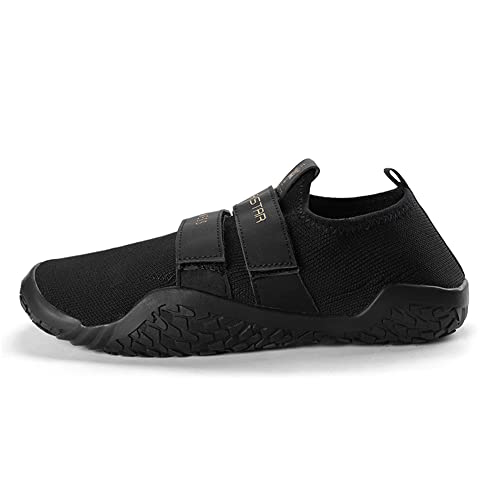
LARA STAR’s Deadlift Shoes Cross-Trainer offers a flat, sock-like upper that emphasizes a near-barefoot feel while maintaining a protective outer profile. This can be appealing for athletes who prioritize ground contact and a direct feel during hip thrusts, glute bridges, and glute-focused accessories. The flat sole promotes stability and a low center of gravity, which can be advantageous for maintaining pelvic alignment and ensuring glute activation remains the focus of each rep. This option suits training sessions that emphasize minimalist footwear with a strong emphasis on form and control.
Potential pros include a heightened sense of ground awareness and easy transition between different glute movements. However, athletes should be mindful of durability and support for heavier loads since minimalist styles may offer less midsole cushioning and ankle support compared to traditional lifting shoes. For a routine that blends heavy lifting with technique work, these could be a solid complementary option to train glutes with an emphasis on technique and proprioception.
Womens Cross-Trainer Barefoot Minimalist Shoes Wrestling Boxing Shoes

This cross-trainer barefoot option emphasizes zero-drop design with a wide sole to support balance and stability during dynamic movements. The mid-top upper provides ankle protection while preserving the minimalist feel that some glute-focused programs value for improved proprioception and edge stability. For glute development, this type of shoe supports a natural foot position during bodyweight squats, hip thrust variations, and lateral movements that engage the glutes through multi-planar loads. The minimalist design makes it appealing for athletes who prefer closer-to-ground feedback and a lighter overall shoe profile.
Consider how the lack of a pronounced heel might affect deep squats and leverages in hip thrusts. While zero-drop footwear can enhance balance and foot activation, it may require a progressive loading approach to prevent strain on the calves and Achilles. This option is well-suited for athletes seeking to maximize glute engagement through stable, grounded movements with a natural foot position.
BootySprout Hip Thrust Machine

While not a traditional shoe, the BootySprout hip thrust machine is included here as a contextual reference for glute-focused training equipment. It supplies high-resistance options to maximize glute isolation during hip thrusts and glute bridges, which can complement footwear choices when programming targeted glute development. This accessory device is designed to enhance glute engagement by enabling heavier resistance with proper form, potentially extending the effectiveness of shoe-based training by promoting progressive overload in glute-specific movements.
When pairing with footwear, consider how a stable shoe and a robust hip-thrust setup together influence overall force transfer and glute activation. For athletes prioritizing maximal glute development, combining a solid lifting shoe with a high-resistance hip thrust device can support structured progression and consistent technique across sessions.
Buying Guide: Key Purchase Considerations For Shoes For Glute Training
- Stability vs. mobility: Choose footwear that provides a stable base for heavy lifts while allowing natural foot movement during accessory glute work.
- Heel height: An elevated heel can improve squat depth and posture, aiding glute engagement; zero-drop or minimalist styles emphasize ground contact and stability for certain movements.
- Lockdown and fit: Look for shoes with secure lacing or straps to minimize foot movement during explosive reps and heavy sets that involve hip drive or deadlifts.
- Surface and traction: A grippy outsole helps maintain foot position on various training surfaces, reducing unwanted shifts during glute-focused moves.
- Durability and material: Consider breathability, toe protection, and midsole construction to support long sessions and progressive overload without discomfort.
- Program alignment: Match the shoe profile to the athlete’s training plan—heavier lifting blocks may benefit from a stiffer, supportive lifting shoe, while lighter, technique-focused work can leverage minimalist designs.
- Adaptation period: Some minimalist or barefoot-style shoes require a gradual transition to prevent Achilles or calf strain when adding heavier glute work.
These considerations help athletes tailor footwear to glute training goals, balancing stability, proprioception, and load tolerance. Whether prioritizing a solid base for squats and deadlifts or a closer-to-ground feel for hip thrusts and accessory movements, the right shoes can support consistent technique and progressive glute development.