The Appalachian Trail demands footwear that balances protection, comfort, and flexibility. This guide highlights five top hiking shoe options that align with long-distance trekking needs, from barefoot-style shoes that encourage natural movement to sturdy hikers designed for rugged terrain. Each pick offers distinct benefits, helping you choose based on terrain, foot shape, and hiking pace. Below, compare key features and practical considerations to find the best match for your AT adventure.
| Product | Brand | Key Advantage |
|---|---|---|
| Hike Canyon Trail – All-Terrain, Shock-Resistant Hiking Barefoot Shoes | Hike Footwear | Natural movement with a wide toe box |
| AT Appalachian Trail T‑Shirt | AT Appalachian Trail | Lightweight hiking apparel |
| Shenandoah National Park Map | National Geographic | Navigation-focused gear support |
| La Sportiva Akyra II Hiking Shoes | La Sportiva | Breathable, durable hiking footwear |
| UBFEN Barefoot Style Sneakers | UBFEN | Zero-drop, minimalist comfort |
These picks cover a spectrum of AT-ready footwear, from minimalist barefoot designs to robust hiking shoes. Consider your foot width, arch support needs, and daily mileage when evaluating long-distance comfort. The table above highlights each product’s core strength to help narrow your search quickly.
Hike Canyon Trail Footwear

Hike Canyon Trail shoes emphasize natural foot movement with a wide toe box that allows toes to spread for better balance on uneven AT surfaces. The design aims to minimize joint strain by keeping the feet close to barefoot mechanics. The flexible sole adapts with each step, promoting a grounded feel that can enhance stability on rocky or root-laden trails. Ideal for hikers who prefer a lightweight, near-barefoot experience without sacrificing trail protection.
AT Appalachian Trail T‑Shirt

This lightweight shirt spotlights AT culture and terminology, making it a practical and comfortable layer for long days on the trail. While not a shoe, the apparel complements trekking gear by offering moisture-wicking fabric and classic fit to reduce friction under packs. For thru-hikers and section-hikers alike, functional apparel can improve overall comfort during extended stints on the AT.
Shenandoah National Park Map

National Geographic’s Shenandoah map is engineered for rugged backcountry navigation with waterproof, tear-resistant pages and a full UTM grid. This resource supports accurate plotting between campgrounds, trailheads, overlooks, and water sources—vital on the AT where reliable navigation can influence pacing and safety. The map covers wilderness areas and national forest regions adjacent to the trail, aiding planning for overnight stops or weather-driven detours.
La Sportiva Akyra II Hiking Shoes
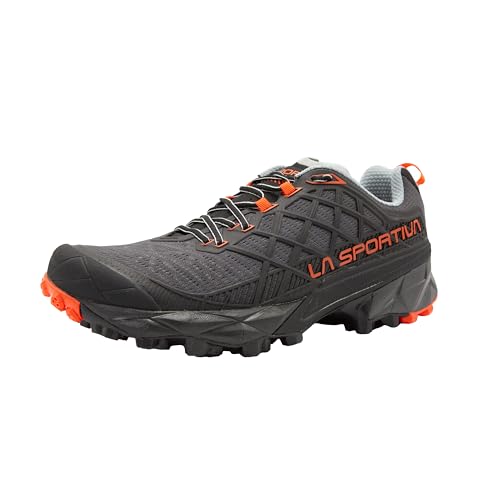
Akyra II shoes pair a breathable 3-layer Air Mesh upper with welded reinforcements for light protection and durability. The design emphasizes stability and a generous fit, which can be advantageous for hikers with longer days on rough terrain. A mid-foot wrapping system and a gusseted tongue contribute to a secure, comfortable feel, while the slip-on heel aids in quick on/off before and after long climbs. The model targets fast-paced, long-distance trekking without heavy bulk.
UBFEN Barefoot Style Sneakers

UBFEN sneakers deliver zero-drop design with a wide toe box to encourage barefoot-like comfort and natural foot posture. The minimalist, five-toe sole supports balance and proprioception—beneficial for hikers accustomed to varying terrain. While not a traditional hiking boot, these shoes can be appealing for shorter day trips or as a secondary footwear option during a longer AT trek, especially on smoother sections or mixed terrain.
Buying Guide: Key Purchase Considerations
- Foot shape and width: A wide toe box can improve balance and comfort on uneven AT terrain, particularly for long miles. Consider models offering a roomier forefoot without compromising heel lockdown.
- Ground feel vs. protection: Barefoot-style and minimalist shoes maximize proprioception and natural movement but may require a transition period. Traditional hiking shoes provide more underfoot protection, which is helpful on rocky stretches.
- Weight and breathability: Lighter shoes reduce fatigue over thousands of miles, while breathable uppers help manage moisture on humid Appalachian days.
- Durability and materials: Look for reinforced toe caps, durable mesh or leather uppers, and sturdy lugs on outsoles for traction on varied surfaces—rocks, roots, and mud.
- Fit and customization: A mid-foot wrapping system, gusseted tongue, or speed lacing can enhance fit. Ensure there is enough room for thicker socks in colder sections.
- Navigation and accessories: For AT sections with limited signal, a reliable map or GPS backup remains valuable. Non-footwear items like maps can complement your route planning.
- Terrain adaptation: The AT presents a mix of smooth forest floor, exposed ridgelines, and rocky corridors. Balance foot protection with flexibility for a comfortable stride at different elevations.