Choosing the right footwear to support arches can ease pain, boost stability, and improve posture. This article highlights five top-rated insoles and arch-support shoes designed for flat feet, fallen arches, and overpronation. Each product is evaluated for fit, support level, and practicality across daily activities—from work on concrete to casual walking. The goal is to help readers pick solutions that offer lasting comfort without compromising mobility.
| Product | Brand | Key Benefit |
|---|---|---|
| Dr. Scholl’s Stability Support Insole | Dr. Scholl’s | Motion control and arch support for stability |
| OUOKK Low Arch Support Inserts | OUOKK | Customized arch heights with rapid relief |
| DR. POTTER+ Arch Support Sleeves | DR. POTTER+ | Adjustable compression with removable pads |
| Dr. Foot’s Arch Support Insoles | Dr Foot | High-arch support with self-adhesive comfort |
| JACKSHIBO Wide Toe Box Shoes | JACKSHIBO | Wide toe box and zero-drop design for natural gait |
Below, five products are explored in detail. Each section includes a direct link to the product page, an image, and a concise overview of features. This structure helps readers compare options quickly and make informed choices based on arch type, activity level, and comfort preferences.
Dr. Scholl’s Stability Support Insoles

Designed for flat feet and low or weak arches, these insoles offer motion control stabilizing features to help maintain ankle alignment. The combination of arch support and stability elements is aimed at easing discomfort that travels from the foot to the knees and hips. The product emphasizes improving balance and posture with daily use, making it suitable for long days on hard surfaces or routine activities that require solid support. The insoles are trimmed to fit standard women’s sizes 6–10, offering a customizable fit for most low-arch feet.
Core benefits include improved stability, alignment support, and immediate comfort. The design seeks to distribute weight more evenly across the foot, helping reduce fatigue and strain associated with overpronation. While primarily aimed at active individuals and desk workers alike, the emphasis remains on long-term alignment benefits rather than quick fixes, supporting ongoing foot health through proper arch support.
OUOKK Low Arch Support Inserts

These inserts are presented as a versatile option with three arch height choices, enabling a tailored fit to match various arch types. The product emphasizes rapid relief from plantar fasciitis symptoms and posture-related discomfort. The supplier highlights a satisfaction-centric approach, encouraging customers to communicate if the product isn’t a good fit, with solutions provided to minimize return friction. The inserts aim to prevent or alleviate pain from fallen arches and other arch-related issues while supporting general foot health during daily activities.
Key notes include the focus on customized arch height, potential long-term alignment benefits, and the broad claim of podiatrist-friendly support. Such features appeal to users seeking a semi-custom experience without visiting a clinician. As with most orthotics, fit is essential, and some wearers may need time to adapt to the added support. This product targets those seeking reliable relief for arch-related pain across varied footwear.
DR. POTTER+ Arch Support Sleeves

Adjustable compression sleeves combine arch support with removable arch pads to suit both fallen arches and high arches. The design emphasizes secure placement and breathable materials to prevent slipping and discomfort during prolonged wear. The included removable pads offer a way to customize the level of support, potentially benefiting a range of foot shapes and activities from walking to light exercise. The sleeves are designed to stay securely in place all day while allowing adjustable pressure through straps and padding choices.
Considerations include potential benefits for people seeking a non-insole approach to arch support, as sleeves fit around the foot rather than inside the shoe. They can be a convenient option for users who want to wear arch support without changing the entire insole system. As with all compression-based aids, comfort and proper sizing are essential for optimal results.
Dr. Foot’s Arch Support Insoles
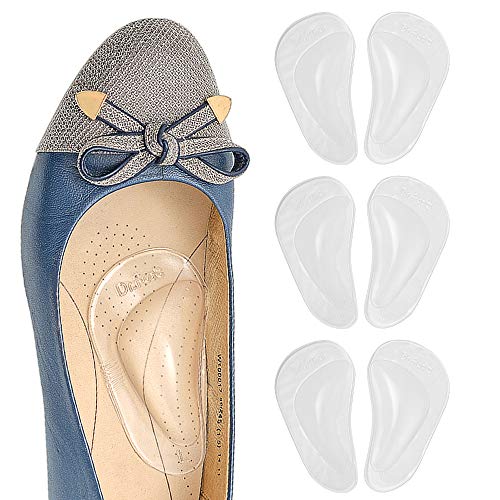
These insoles focus on ergonomic arch support and a self-adhesive design to stay in place. The higher arch support is marketed as particularly effective for relief from pressure during long walks or extended standing. The product’s adhesive feature helps the insoles remain securely positioned inside various shoe types, simplifying long-term use. The design caters to flat feet and plantar fasciitis by providing targeted arch support and cushioning to distribute pressure more evenly across the foot.
From a user perspective, the combination of anti-slip adhesion and elevated arch support can reduce friction and movement inside the shoe, contributing to steadier steps. While adhesive insoles can be convenient, wearers should monitor wear over time and replace as needed to maintain consistent support. This option suits shoppers seeking a straightforward, budget-friendly alignment aid.
JACKSHIBO Wide Toe Box Shoes with Arch Support

These shoes emphasize a wide toe box and zero-drop design to encourage a natural stride. The architectural focus includes a thick cushioned midsole and a 3D arch support framework that distributes plantar tension across the foot. The product aims to reduce knee and leg strain by promoting a more balanced gait, which can be especially helpful for individuals with flat feet or pronation tendencies. The combination of space for toe splay and thoughtful cushioning supports comfort during extended wear and various activities—from walking to light running.
Considerations include the benefits of a zero-drop platform for natural alignment and the potential need to adapt to a new shoe shape, especially for those used to a more traditional heel-to-toe drop. For athletes or busy commuters seeking both comfort and support, this model provides a comprehensive package with emphasis on arch distribution and overall stability.
Buying Guide: Arch Support Purchase Considerations
- Foot type and arch height: Determine whether you have flat feet, fallen arches, or high arches. Choose products designed to address your specific arch condition and pronation patterns.
- Insole vs. sleeve vs. shoe design: Insoles deliver direct arch lift; sleeves offer compression and support; shoes with built-in arch systems integrate support in the footwear itself. Consider which approach aligns with your footwear and lifestyle.
- Activity level: For workers on concrete, hikers, or runners, select orthotics that provide durable cushioning, shock absorption, and long-lasting stability. Higher weight capacity and robust materials can improve endurance for heavier users.
- Fit and sizing: Ensure correct sizing and trimming options when selecting insoles. For sleeves and shoes, verify size ranges and adjustable features to fit your feet securely.
- Material and breathability: Look for breathable fabrics, moisture management, and non-slip linings. Comfort and hygiene matter for all-day wear.
- Durability and replacement: Arch supports wear out over time. Consider the expected lifespan and whether the product offers replacement options or multi-pack value.
- Medical considerations: If you have persistent foot pain or diagnosed conditions, consult a clinician. Arch support is part of a broader treatment plan, particularly for plantar fasciitis or overpronation.
- All-day wear vs. occasional use: Some products are better suited for all-day office use, while others are designed for athletic activities. Balance your needs with the level of support offered.
In summary, selecting the right arch support depends on foot structure, daily activities, and comfort preferences. The five products highlighted here cover a range of solutions—from insoles that deliver strong motion control to shoes engineered for natural gait and wide forefoot space. Each option has its own strengths, enabling readers to tailor their choice to their specific arch support goals and activity levels.