For backcountry skiing and mountaineering, a reliable pack blends rugged durability with smart organization, hydration access, and carry options that don’t slow you down. This guide features five top-rated options designed to keep gear secure in snow, ice, and cold weather while enabling quick access on steep descents. Each pack offers multiple carry modes for skis and boards, insulated hydration compatibility, and thoughtful pockets for protection and convenience. Explore select models from trusted brands to find the right balance of capacity, weight, and weather resistance for your alpine missions.
| Product | Brand | Capacity | Highlights |
|---|---|---|---|
| Unigear Ski Backpack, 22L | Unigear | 22L | Helmet/goggle pocket, 3L hydration, reflective chest strap |
| Unigear Ski Hydration Backpack, 30L | Unigear | 30L | 15” laptop sleeve, 3L bladder, reinforced bottom |
| SEMSTY 12L Ski & Snowboard Backpack | SEMSTY | 12L | Multiple carry options, 2L-3L hydration access |
| SEMSTY 12L Ski & Snowboard Backpack (Variant) | SEMSTY | 12L | Same versatile layout, quick-stash pocket |
| Osprey Glade 12-Ski & Snowboard Hydration Pack | Osprey | ≈12L | Diagonal carry, NanoTough fabric, 2.5L Hydraulics |
The chosen packs emphasize a balance between rugged exterior durability, interior organization, and hydration readiness. They’re built to tolerate cold, moisture, and abrasion while allowing swift access to tools, shovels, and layers. The following sections review each model’s strengths, tailored for different backcountry scenarios—from lengthy day trips to crisp ascent days with heavy gear. All sections respect the 250-word cap for clarity and focus on practical attributes rather than marketing language.
Unigear Ski Backpack, 22L

The Unigear 22L ski backpack focuses on compact efficiency for day tours. Its dimensions—roughly 21.26 by 10.24 by 6.3 inches—maximize packable volume without excess bulk. An internal compartment system supports multiple capacities, including space for a 14-inch laptop and a 3L hydration bladder. A velvet-lined goggle pocket protects eyewear from scratches during rapid shelf changes between runs. The ergonomic design features S-shaped shoulder straps and an inverted Y back panel to improve airflow and shoulder comfort. A waist belt and sternum strap distribute weight for better stability during steeps, while reflective details and a whistle enhance nighttime visibility and safety. Construction relies on 900D polyester with PU-coated side panels and a reinforced bottom, delivering weather resistance for snow travel. This model suits skiers who want a light yet capable pack for single-day missions with room for essentials beyond basics.
Unigear Ski Hydration Backpack, 30L
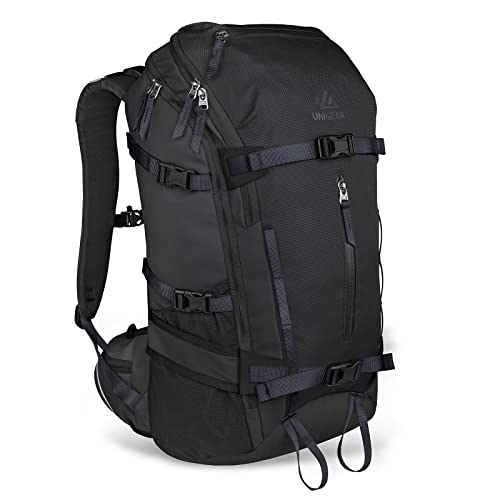
The 30L Unigear model expands capacity for longer days in variable conditions. It measures about 22.05 by 11.81 by 6.89 inches, with organized compartments to separate gear, tools, clothing, and electronics. A dedicated 15-inch laptop sleeve keeps electronics safe, while a hydration-ready interior accommodates a 3L bladder. The goggle pocket remains velvet-lined to protect eyewear from scratches. Similar to the 22L version, the design emphasizes ergonomic comfort and weight distribution through S-shaped shoulder straps, an inverted-Y back panel, and an adjustable sternum strap with a safety whistle and reflective strip. Built with 900D polyester and PU-coated side panels, it resists abrasion and moisture, with a scratch-resistant bottom for extended durability in rugged environments. This pack is well-suited for longer expeditions, treks, and backcountry transitions requiring more gear and water capacity.
SEMSTY 12L Ski & Snowboard Backpack
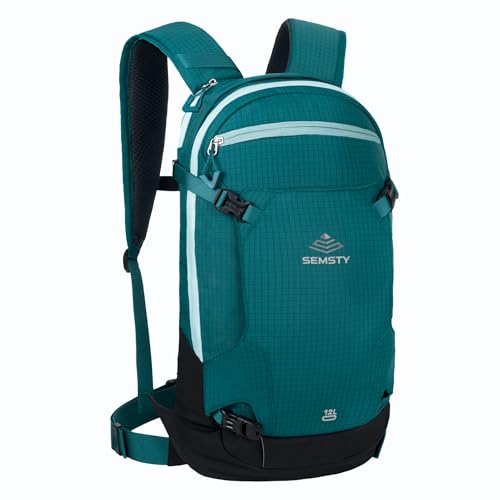
SEMSTY’s 12L pack prioritizes compact versatility for tight backcountry moves. It offers purpose-built sleeves for snow tools and external shovel blade carry, plus a fleece-lined goggle pocket and a quick-stash exterior pocket. The internal compartment supports a 14-inch laptop and an included hydration system for easy water access on the go (bladder not included). It provides multiple carry options: vertical snowboard carry, diagonal ski carry, and horizontal snowboard carry, with adjustable buckles for length. The fabric is lightweight yet durable, presenting good resistance to winter elements while maintaining a low profile for dynamic movement. This option is ideal for skiers and riders who value rapid access and flexible deployment of gear during mixed-terrain days.
SEMSTY 12L Ski & Snowboard Backpack (Variant)
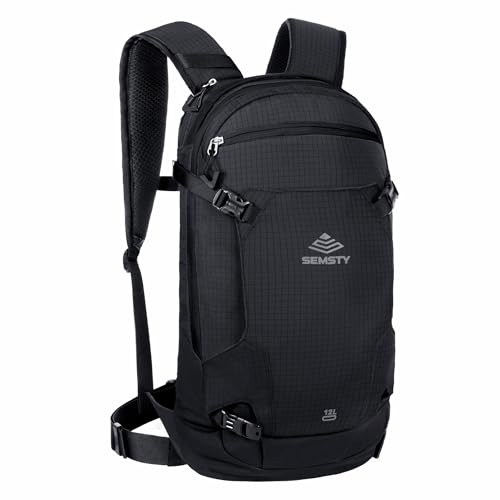
This variant mirrors the core SEMSTY design with the same 12L capacity and versatile carry options. It includes snow-tool sleeves, exterior shovel blade carry, and a large fleece-lined goggle pocket to guard eyewear. A hydration-ready internal compartment supports easy access to water on the move, though the bladder is not included. The pack emphasizes water-resistance and lightweight construction, ensuring it holds up under sharp snow conditions and abrasive edges. The minimalist silhouette supports agile skiing, snowboarding, or snowshoeing, making it a strong choice for riders who prioritize compact gear setups and quick transitions on backcountry routes.
Osprey Glade 12-Ski & Snowboard Hydration Pack
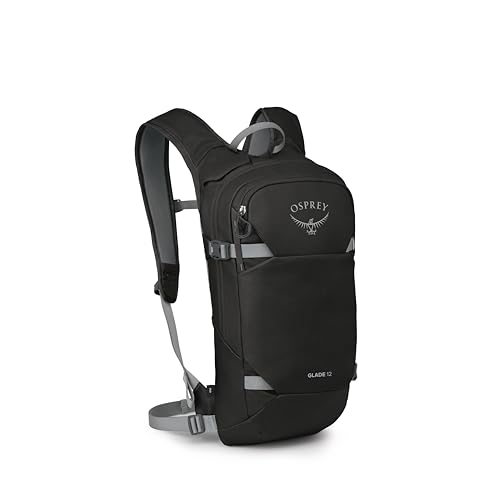
The Osprey Glade line emphasizes hydration resilience and winter-ready construction. The 12-liter Glade 12-Ski & Snowboard model includes a 2.5L Hydraulics reservoir with an insulated harness sleeve to prevent freezing, ensuring available fluid during cold ascents. It supports diagonal ski carry and both vertical and horizontal snowboard/footwear configurations for easy access to gear on the move. The NanoTough fabric offers high abrasion resistance and weather protection, keeping contents secure in snow and moisture. This pack prioritizes reliability and simple, intuitive access while trekking to backcountry stashes or bootpack sessions, making it a solid pick for riders who seek dependable performance with a streamlined design.
Buying Guide: Key Purchase Considerations
- Capacity and weight balance: Choose capacity based on trip length and gear volume. Smaller 12–22L packs are light and nimble for day tours; 30L options provide extra clothing and tool storage for longer expeditions.
- Hydration readiness: Look for integrated hydration sleeves and compatible bladder sizes (2–3L or 3L+). Insulated sleeves help prevent freezing in sub-zero temperatures.
- Carry versatility: Ensure the pack supports vertical and diagonal ski carry, as well as horizontal snowboard carry if you switch between gear types. Quick-access pockets and shovel/tool sleeves improve efficiency on the move.
- Durability and weather resistance: Durable fabrics (e.g., 900D polyester), PU coatings, and reinforced bottoms extend life in wet, icy conditions. Water-resistance and abrasion resistance are critical for winter use.
- Ergonomics and fit: Ergonomic shoulder straps, a supportive back panel, and an adjustable hip belt optimize comfort on long ascents. Look for reflective accents and safety features for low-visibility conditions.
- Electronics protection: A protected laptop sleeve or dedicated pocket helps guard electronics in changing weather. Consider internal organization for easy access to essentials like maps, phone, or beacon.
- Maintenance and care: Check washability and dry-out time. Some materials tolerate snow and moisture better, which is valuable for frequent use in powder and wet snow.
- Brand reliability: Reputable brands often offer better warranty support and replacement parts for zippers, straps, and hydration components, important in rugged mountain environments.
When selecting a ski mountaineering pack, weigh price against durability and function. A well-chosen pack reduces fatigue, improves access to gear, and supports safer navigation in backcountry routes. Part of the decision is aligning the pack’s features with the typical conditions you face, whether you’re traversing icy ridges, bootpacking into fresh powder, or carrying rescue tools. Consider a model that balances capacity, protection, and ease of carry to sustain performance across varied alpine missions.