Choosing the right skis can elevate performance for intermediate to advanced skiers, unlocking better stability, edge control, and carving ability across varied terrain. This guide highlights five strong options that balance stability, maneuverability, and durability. Each pick targets aggressively improving skiers who demand responsiveness without sacrificing control.
The following summary table outlines the chosen products and their primary focus to help you compare at a glance.
| Product | Brand | Primary Focus | Notes |
|---|---|---|---|
| Harald Harb’s Essentials of Skiing: The Fastest Way to Master the Slopes | Hatherleigh Press | Ski Technique Reference | Used Book in Good Condition |
| LINE Unisex Blend Skis 175 | LINE | Freestyle, Durable, Park & Street | Without Bindings |
| LINE Unisex Honey Badger Skis 155 | LINE | All-Terrain, Beginner to Intermediate | Without Bindings |
| LINE Unisex Honey Badger Skis 144 | LINE | All-Terrain, Beginner to Intermediate | Without Bindings |
| GRI Telemark PBF100T-B Binding | GRI | Telemark/Advanced Binding | Binding Only |
Harald Harb’s Essentials Of Skiing: Mastery Tips On The Slopes

Harald Harb’s Essentials of Skiing provides a technique-driven foundation that appeals to intermediates moving toward advanced control. While not a ski model, the book focuses on efficient movement, edge transitions, balance, and line choice, which are critical for optimizing performance on more demanding slopes. For intermediate to advanced skiers, integrating Harb’s insights can complement on-snow practice by reinforcing biomechanically sound habits, enabling quicker adaptation to new terrains and higher-speed carving. This resource is best used as a structured companion to practical sessions on the mountain.
Key features include clear demonstrations of stance, pressure control, and progression cues designed to accelerate skill development. Practitioners may find value in structured drills, video cues, and interpretation of skier dynamics that translate to better rhythm on varied snow conditions.
LINE Blend Skis 175: Durable Freestyle Power For Advanced Riders

The LINE Blend Skis are engineered with a reinforced chassis and thick-cut sidewalls underfoot, designed to withstand hard use on challenging hills. With a 98mm waist and a symmetric 4mm tip/camber/tail rocker profile, these skis are tailored for freestyle versatility while maintaining stability at higher speeds. The thicker base and edge system—featuring a 1.7mm base and 2.5mm steel edges—provide durability during park sessions, street lines, and hard landings. The geometry supports quick edge-to-edge transitions, which helps when executing spins or presses in variable snow.
Designed to appeal to advanced riders, the Blend’s symmetrical flex and overall stiffness contribute to a confident feel both on aggressive lines and in park environments. While optimized for freestyle creativity, the stability and edge control also benefit skiers pushing beyond mid-level difficulty, especially when paired with a suitable binding setup for precise response. Note that bindings are not included, so compatibility should be verified with preferred mounting hardware.
LINE Honey Badger Skis 155: Durable All-Terrain Freestyle Tool

The Honey Badger line emphasizes a versatile all-terrain platform with a robust 4D Fibercap for impact resistance and a Fatty Base & Edge system that uses a thicker base and steel edges. The symmetric twin-tip design and evenly distributed flex enable consistent performance whether riding forward or backward, making it a natural choice for freestyle enthusiasts who also tackle varied terrain. The 155 cm length leans toward mid-to-large stature riders seeking stability at speed while maintaining playful, responsive feel for jibs, rails, and natural features.
Features highlight a durable construction, a symmetric profile for predictable behavior in switch landings, and a design focus on park and street use. This makes the Honey Badger a compelling option for intermediate skiers aiming to progress into advanced freestyle moves without sacrificing control on the steeps and variable snow conditions found in alpine environments.
LINE Honey Badger 144: Compact All-Terrain Freestyle Skis
This shorter Honey Badger model mirrors its larger sibling’s emphasis on durability and freestyle performance but with a compact footprint ideal for lighter-weight skiers or those focusing on quick, responsive jibbing. The 1.7mm base and 2.5mm steel edges provide robust edgehold and durability during park sessions and street features. The symmetric twin-tip design remains a core strength, enabling confident switch tricks and versatile handling in crowds and variable snow surfaces.
With its all-terrain flexibility, the 144 cm length suits intermediate skiers who want a nimble platform for learning advanced freestyle maneuvers while maintaining control on steeps and groomed runs. The construction targets riders who combine park practice with backcountry or powder days, ensuring a wide performance envelope despite a shorter length.
GRI Telemark PBF100T-B Binding: Matching Intermediate To Advanced Telemark Skiing
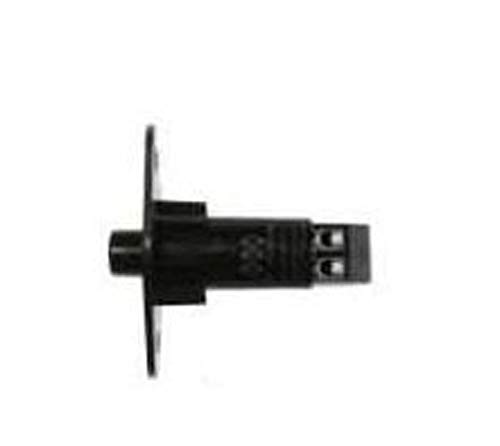
GRI’s PBF100T-B binding is positioned for intermediate to advanced skiers who explore telemark and dynamic downhill lines. This binding type emphasizes a secure interface between boot and ski, enabling precise control in varied snow conditions. The binding’s design supports a balance between responsiveness and shock absorption, which is crucial when negotiating steeper pitches, powder transitions, and mogul-studded terrain. While not a complete ski setup—since bindings are listed separately—it serves as a strong option for skiers seeking reliable performance in telemark and alpine hybrid experiences.
Users should assess compatibility with their skis, boot sole length, and mounting pattern to ensure optimal performance. The binding’s duty on advanced terrain is complemented by careful tuning and snow alignment, which together contribute to a stable and predictable ride on demanding slopes.
Buying Guide: Key Purchase Considerations For Intermediate To Advanced Skiers
- Terrain and riding style: Define whether you prioritize carving, park progression, powder performance, or all-around versatility. Skis with symmetric shapes and durable bases excel in freestyle and varied terrain, while narrower waists favor groomed slopes and quick edge-to-edge transitions.
- Rocker profile and waist width: A mid-wide waist (about 90-100 mm) often suits versatile skiers who ride a mix of groomers and powder. A symmetric tip-to-tail rocker improves turn initiation and stability for switch tricks, especially in freestyle contexts.
- Construction and durability: Look for reinforced chassis, thick bases, and robust edge systems if you anticipate heavy landings or park use. Durable builds reduce maintenance frequency and enhance lifespans on demanding days.
- Length and stiffness: Longer skis provide stability at speed and in powder; shorter skis are more maneuverable for tricks and tight terrain. Stiffer skis offer stability and control at high speeds, while a balanced stiffness supports aggressive turning without sacrificing forgiveness.
- Binding compatibility: Ensure bindings match your ski model, boot size, and the intended use. For telemark setups, choose bindings designed for dynamic flex and secure toe hold to support advanced technique.
- Skill progression: For advancing skiers, choose skis that offer a predictable yet responsive feel, enabling confident practice on steeper pitches, moguls, and park features without excessive chatter or sudden instability.
- Maintenance needs: Durable bases and edge thickness require periodic tuning. Consider the maintenance effort alongside how frequently you ski and in what snow conditions.
When selecting skis for intermediate to advanced levels, blend personal preference with performance metrics such as stability at speed, edge hold, and maneuverability. The products listed span technique resources, versatile freestyle options, and dependable bindings to support a range of challenging terrain and progression paths.