When choosing a compact outboard motor, boaters want reliability, efficiency, and easy handling without breaking the bank. The following selections emphasize lightweight builds, durable materials, and practical features like water cooling, CDI ignition, and tilt options. Each option is suited for small boats, kayaks, inflatables, and light fishing craft, offering varying horsepower to match different needs and water conditions. Below, you’ll find five strong choices with key specifications and standout features to help you compare at a glance.
Summary of chosen products
- LIWBYYG 2 Stroke 18HP Outboard Motor – 246cc, water cooling, CDI ignition
- HANGKAI 12 HP Outboard Motor Long Shaft – 169cc, water cooling, CDI ignition, long shaft
- BJTDLLX Short Shaft Outboard Motor – 12 HP, 169cc, water cooling, CDI ignition
- DNYSYSJ 2 Stroke 3.5 HP – 52cc, manual start, water cooling
- CUKUSIN 4 Stroke Outboard Motor – 4 HP, short shaft, air cooling, durable build
LIWBYYG 18HP Outboard Motor — Lightweight Aluminum, High Power

The LIWBYYG outboard motor combines a robust 18 horsepower two-stroke engine with a 246cc displacement, delivering up to 5500 rpm for swift planing on small boats. Made from lightweight aluminum alloy and finished with spray coating, the unit resists heat, impact, and deformation in both freshwater and saltwater use. A large muffler helps minimize noise, keeping operation around 80 decibels for a cleaner water experience. The engine is designed for quick starts with a CDI ignition system and features a water cooling loop to manage engine temperature during longer runs. A streamline three-blade propeller reduces water resistance, increasing efficiency. A tail plate clamping bolt secures the motor firmly to the transom, helping prevent slippage during operation.
Key features include easy maintenance access, a soft rubber-wrapped handle for a secure grip, and protective measures like overheating protection to extend service life. Suitable for mid-sized inflatables and small boats, this model targets power users who want quick acceleration and reliable performance in mixed-water conditions.
HANGKAI 12 HP Outboard Motor Long Shaft — Durable Power, CDI Ignition

This 12 horsepower two-stroke outboard from HangKai packs strong performance for faster cruising and efficient travel. The engine operates in the 4500–5500 rpm range, delivering reliable propulsion with a maximum power output around 8.8 kW. Its aluminum alloy construction supports load handling up to roughly 2,204 pounds, making it a practical option for heavier small boats and open-water use. The unit features a sizable 6.34-gallon fuel tank to extend endurance and reduce fueling stops on longer trips. A long shaft design improves propeller clearance in deeper-water installations and may better align with longer transoms.
With a CDI ignition system for quick starts and a water cooling setup to prevent overheating, this motor is built for steady operation under varied conditions. Its balance of power, endurance, and simple maintenance makes it well-suited for anglers and recreational boaters who require dependable mid-range performance.
BJTDLLX 12 HP Short Shaft Outboard — Compact Yet Capable

The BJTDLLX 12 HP outboard is designed for compact vessels that require a dependable engine without a large footprint. The 169cc, two-stroke engine produces 5500 rpm with 661–1,763 pounds of thrust, offering speeds in the 8–30 km/h range depending on load and hull type. A water cooling system helps regulate temperature for consistent operation, and the sturdy aluminum construction aids in durability against corrosion and impact. The short shaft design makes this model ideal for smaller transoms and lighter craft such as inflatable boats or dinghies. The unit includes a simple, straightforward installation and a three-position forward/neutral/reverse capability for versatile maneuvering.
Enhancements include a vent design to extend service life and a simple maintenance profile, targeting users who want a practical, reliable engine for everyday use on small watercraft.
DNYSYSJ 3.5 HP 2-Stroke Boat Motor — Lightweight Manual Start
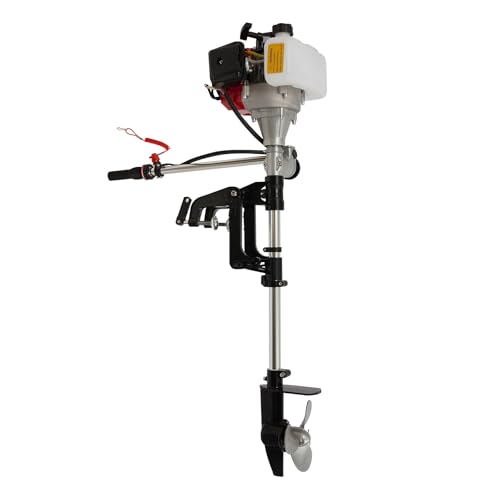
The DNYSYSJ 3.5 HP two-stroke motor is a compact option for small boats, with a manual pull start and water cooling to prevent overheating during extended use. With a maximum output around 3.5 horsepower and a top speed near 20 km/h for small loads, it provides practical propulsion for light-duty applications such as small fishing boats or paddle-assisted craft. The 2-stroke design emphasizes simplicity and ease of maintenance, making it a accessible choice for beginners or secondary motors on larger vessels. The unit emphasizes efficient fuel use and reliable CDI ignition for quick starts in varied conditions.
Overall, this model serves as a budget-friendly, entry-level option that still delivers dependable performance for casual outings and light chores on modest watercraft.
CUKUSIN 4 Stroke Outboard Motor — Easy Handling for Small Boats

The CUKUSIN 4 Stroke Outboard Motor delivers 4 horsepower in a four-stroke design, offering smoother operation and simpler fuel management since it does not require oil mixing. With air cooling and a reliable run, this motor is well-suited for inflatables, kayaks, canoes, dinghies, and other small craft. The short shaft version helps accommodate shallower transoms and compact builds. The twist throttle and reverse capability enhance control for new boaters and those who prioritize ease of use in calm or modest water conditions. The design emphasizes universal durability and straightforward maintenance to keep service downtime minimal.
Buying Guide: Key Purchase Considerations And Comparisons
- Power needs: Choose horsepower based on hull size, load, and typical water conditions. Higher horsepower enables faster cruising and planing but increases weight, fuel use, and vibration. For inflatables and kayaks, 3–12 HP often suffices, while larger small boats may benefit from 12–18 HP or more.
- Shaft length: Long shaft motors are better for deeper transoms and more stable steering on larger dinghies, while short shaft models suit smaller boats and low transoms. Match the shaft length to your boat’s transom height for optimal propeller clearance.
- Cooling system: Water-cooled engines generally run cooler and support longer runtimes, improving reliability in warm climates or during extended outings. Air-cooled designs are lighter and simpler but may heat up faster in sustained use.
- Ignition system: CDI ignition provides quick starts and reliable ignition timing, which is especially helpful in cold starts or when starting on choppy water. Look for engines with robust ignition components for consistent performance.
- Weight and portability: If you frequently transport the motor or need to mount on smaller vessels, weigh considerations are critical. Aluminum construction reduces weight, improving handling while maintaining durability.
- Maintenance and parts availability: Opt for motors with widely available spare parts and simple maintenance procedures. A service-friendly design reduces downtime and total cost of ownership.
- Safety features: Overheating protection, secure clamps, and reliable tilt mechanisms contribute to safer operation. Some models include anti-vortex plates or emergency shutoffs for added reliability on tricky water.
- Fuel economy and endurance: Fuel capacity and engine efficiency influence how long you can operate between refuels. Larger fuel tanks are beneficial for longer trips but add weight.
- Installation compatibility: Check transom thickness, mount compatibility, and propeller size to ensure the motor fits your boat’s specifications and performance goals.
- Noise and vibration: Mufflers and robust mounting help reduce noise and vibration, contributing to a more enjoyable experience on the water while protecting operator comfort.
These options collectively cover a spectrum from compact, entry-level units to more powerful small-outboard configurations. When comparing, consider your typical boating activities, crew size, water type, and how often you’ll operate for extended periods. The right balance of horsepower, weight, and cooling strategy will maximize performance and reliability for your specific vessel and environment.