Soft foam rollers provide a gentler option for myofascial release, post-therapy recovery, and therapeutic exercises. They’re ideal for beginners, sensitive muscles, and travel sessions while still offering effective relief for back, neck, legs, and shoulders. This guide highlights five top soft-density rollers that balance comfortable pressure with effective massage, flexibility work, and mobility training.
Summary of chosen products:
| Product | Brand | Length | Density | Use Case |
|---|---|---|---|---|
| Pro-Roller Soft Density Foam Roller – 36″ x 6″ | OPTP | 36″ | Soft | Full-body, back, rehab |
| Pro-Roller Soft Density Foam Roller – 18″ x 6″ | OPTP | 18″ | Soft | Targeted therapy, portability |
| Foundation Roller | TRIGGERPOINT | 12″ | Moderate Soft | Injury prevention, travel |
| Soft Density Foam Roller 36″ x 6″ | SENSORY4U | 36″ | Soft | Therapy, mobility |
| Yes4All Soft-Density Rollers | Yes4All | 12″/18″/24″/36″ | Soft | Deep tissue, back, legs |
OPTP PRO-Roller Soft Density 36″ Foam Roller

The OPTP PRO-Roller Soft Density 36″ foam roller uses durable EVA closed-cell soft foam, offering a gentle yet effective option for rehab, Pilates, yoga, and muscle recovery. Its closed-cell construction makes it easy to wipe clean and less prone to absorbing moisture, which is advantageous in gyms, clinics, studios, or home use.
Key uses include back rolling while lying supine, self-massage, and loosening tight areas to release tension. The long 36″ length supports a full-body routine, allowing users to roll along the spine, glutes, hamstrings, and calves with controlled pressure. This model is well-suited for therapeutic sessions where a softer touch is preferred over high-density rollers.
OPTP PRO-Roller Soft Density 18″ Foam Roller

This 18″ version mirrors the 36″ model with the same soft EVA closed-cell construction, offering a compact option for targeted muscle groups, post-workout recovery, and travel-friendly routines. The soft density supports gentle massage and effective relief for sensitive areas, making it suitable for physical therapy, Pilates, yoga, and mobility work. It remains easy to clean and maintain, a practical feature for frequent gym or clinic use.
In practice, the 18″ roller is ideal for focused back work, hip flexor release, neck tension, and shoulder blades, while still providing a stable surface for balanced rolling. It fits easily into a small space and is a convenient choice for athletes who travel often or prefer a lighter device for routines at home or the studio.
TRIGGERPOINT Foundation Roller

The Foundation Roller from TRIGGERPOINT provides moderate compression with a soft surface, designed for gentle muscle recovery and injury prevention. The soft-touch surface is more comfortable against bare skin than traditional polypropylene rollers, which helps reduce discomfort during therapy sessions or self-massage. Its design emphasizes consistent performance over time, ensuring users experience the same feel and effectiveness across uses. This makes it a practical option for beginners and those needing a more forgiving tool for daily mobility routines.
Soft Density 36″ Foam Roller by SENSORY4U
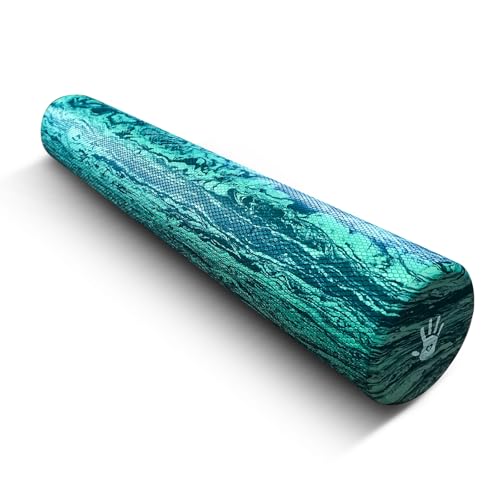
The Soft Density Foam Roller from SENSORY4U is 36″ long and 6″ in diameter, offering gentle relief with low-intensity compression. It’s particularly suitable for therapy, rehabilitation, Pilates, yoga, and daily mobility work. The long length supports full-body rolling, including back, hamstrings, quads, IT band, and glutes, enabling a comprehensive myofascial release. The soft density is advantageous for beginners or those with higher sensitivity to pressure, providing steady, non-irritating massage while still delivering meaningful flexibility gains.
Yes4All Soft-Density Round Foam Roller

The Yes4All Soft-Density Round foam roller comes in multiple lengths, offering a soft-density option that’s durable and portable. Its PE-based construction provides a higher耐 wear resistance and a capacity to support up to 250 lbs. The roller is smooth, non-slip, and versatile for a wide range of exercises—from balance work and squats to seated or kneeling routines. With various length options, users can choose the best fit for their body size, space, and therapy goals, making it a flexible companion for home gyms and clinics alike.
Buying Guide: Key Purchase Considerations
When selecting a soft-density foam roller, consider the following factors to align with your goals, body type, and setting:
- Density and pressure: Soft-density rollers provide gentler pressure, suitable for beginners, sensitive areas, and post-injury recovery. Higher-density options offer deeper tissue work but may cause discomfort for some users.
- Length and portability: Longer rollers (36″) support full-body rolling, including the back, while shorter rollers (12″–18″) are easier to carry and store. Consider your space, travel needs, and target areas.
- Material and maintenance: EVA closed-cell foam resists moisture and is easy to wipe clean, a practical feature for clinics and gyms. Avoid open-cell foams if you require easier cleaning and moisture resistance.
- Texture and surface design: Soft-density rollers come with smooth surfaces. Some models feature grid patterns or multi-density sections for targeted compression, which can influence comfort and effectiveness for trigger point work.
- Use case: Identify your primary needs—back therapy, leg work, mobility drills, or rehabilitation—and select a roller designed for that purpose. Travel-friendly options are ideal for on-the-go routines, while longer rollers suit home gyms and studios.
- Durability and warranty: Look for rollers engineered to maintain shape and elasticity over time. A durable roller reduces the need for frequent replacements and provides consistent performance across sessions.
Additional perspectives include considering whether you prefer a back-friendly design for supine rolling, the need for a compact option for clinics, or a versatile tool that supports a broad range of exercises from yoga to deep tissue work. By balancing softness with practicality, you can select a foam roller that fits your routine, comfort level, and recovery goals.