The right string stop for a compound bow can reduce vibration, minimize string slap, and protect your equipment. This guide focuses on reliable dampers and stabilizers designed for compound bows, explaining how they work, what to look for, and how the listed products compare. All selections prioritize performance, durability, and ease of installation for American archers.
| Product | Brand | Key Benefit |
|---|---|---|
| AMEYXGS String Stop Bracket String Decelerator Compound Bow Vibration Balance Stabilizer (Black) | AMEYXGS | Rapid stop and energy transfer to protect bow |
| AMEYXGS String Stop Bracket String Decelerator Compound Bow Vibration Balance Stabilizer (Black 1) | AMEYXGS | Shock-absorbing head; increased stability |
| LimbSaver String Decelerator Node, Camo | LimbSaver | NOVCOM material for vibration dampening and wrist protection |
| Q2i String Stopper Pair – Durable Rubber Bow String Stop | Q2i | Direct replacement, vibration and noise reduction |
| POPETPOP Compound Bow String Stopper Bowstring Stabilizer Dampener | POPETPOP | Vibration absorption and easy compound-bow installation |
AMEYXGS String Stop Bracket – Decelerator
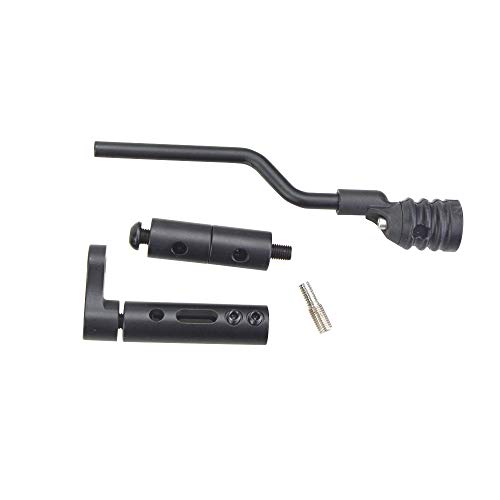
Features emphasize CNC precision machining with alloy and rubber components. The device rapidly stops the bowstring’s motion, transferring energy to a suppressor and stabilizer to protect the bow. It also aims to reduce the risk of bowstring injury and improves stability after release due to a high-elastic rubber shock-absorbing head.
Core benefits include quick stopping of string vibrations and enhanced reliability during fast follow-through. This model is designed for compound bows and emphasizes protection of string and riser components while contributing to overall shooting stability.
AMEYXGS String Stop Bracket – Black 1

This variant uses alloy and rubber with CNC machining for precise fit. The shock-absorbing head provides deep absorption, helping protect both the bow and string. It is designed to increase bow stability and can also help prevent wrist slap during shooting by smoothing the release and recovery phases.
LimbSaver String Decelerator Node, Camo

The String Decelerator Node from LimbSaver uses NOVCOM vibration-dampening material to slow the bow string and minimize slapping noise. The device aims to reduce wrist slap, a common issue for shooters, while maintaining bow stability and reducing string impact on launches. The solution prioritizes comfort and durability under regular use.
Q2i String Stopper Pair

Q2i String Stoppers are designed as direct replacements for the Q2i String Tamer, fitting securely on 3/8″ rods for both compound bows and crossbows. They reduce vibration and noise, improve shooting stability, and are built from durable rubber to protect the bowstring and extend component life. Users can expect consistent performance and straightforward installation.
POPETPOP Compound Bow String Stopper

POPETPOP’s stopper emphasizes vibration reduction and easy installation on compound bows. The design prioritizes durability and performance, offering a dampening solution that helps smooth shots and protect the bowstring during repeated use. It is suitable for hunting and target practice applications where quiet operation is valued.
Buying Guide: Key Considerations For Selecting A String Stop
- Material and construction: Look for a combination of durable metals (often alloy) and high-elastic rubbers that can absorb shock without degrading quickly.
- Vibration dampening vs. speed of stop: Some models prioritize rapid stopping to protect the bowstring, while others focus on steady, gradual dampening to minimize noise.
- Compatibility: Verify that the stops fit 3/8″ rods or the specific mounting interfaces on your bow model. Crossbow compatibility is also noted in some products.
- Impact on stability and form: A good string stop should improve bow stability after release and reduce wrist slap without compromising aiming or draw feel.
- Installation and maintenance: Prefer units with straightforward installation, minimal maintenance, and replaceable parts if possible.
- Durability under field conditions: Consider products that resist wear from heat, moisture, and repeated string cycles for longer life.
- Noise reduction: Reduced vibrations often translate to quieter shots, beneficial for hunting and target practice alike.
- Cost-to-performance balance: Higher-priced dampers may offer longer lifespans or better materials; evaluate whether the improvement aligns with your needs and budget.