Choosing the right supportive hiking shoes can reduce fatigue, protect your feet, and improve stability on varied terrains. This guide highlights five well-regarded options that balance comfort, traction, and durability for American hikers. Each product features thoughtful design details—such as waterproofing, robust outsoles, and breathable uppers—designed to support long days on the trail.
| Product | Brand | Key Benefit |
|---|---|---|
| Merrell Moab 3 Hiking Shoe | Merrell | Durable, breathable leather-m mesh build with debris-blocking tongue |
| Columbia Newton Ridge Plus Waterproof Amped | Columbia | Seam-sealed waterproofing with cushioned TecLite midsole |
| Columbia Vertisol Trail | Columbia | Versatile cushioning with enhanced heel and forefoot comfort |
| NORTIV 8 Women’s Hiking Shoes | NORTIV 8 | Lightweight stability with slip-resistant grip |
| CUSHIONAIRE Brig Womens Hiking Shoes | CUSHIONAIRE | All-day comfort with waterproof protection and arch support |
Merrell Moab 3 Hiking Shoe, Walnut
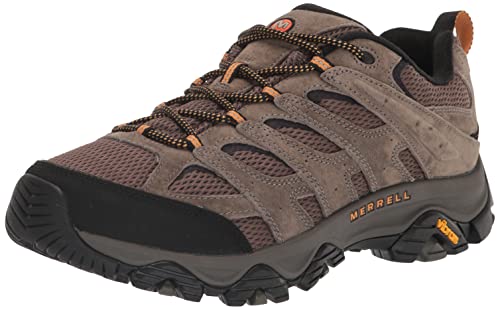
The Merrell Moab 3 blends rugged durability with comfort-focused details for mixed terrains. Its pigskin leather and mesh upper provide a sturdy yet breathable fit, while recycled laces and webbing reduce waste. A bellows tongue helps keep out debris, making this a reliable choice for hikers who encounter dusty or sandy trails. The shoe’s midsole offers cushioning for all-day wear, and the tread pattern delivers solid traction on rocky paths and damp surfaces. Ideal for day hikes and light backpacking, the Moab 3 emphasizes stability and long-term comfort without weighing the foot down.
Columbia Newton Ridge Plus Waterproof Amped

This women’s hiking boot from Columbia emphasizes waterproof protection and long-lasting comfort. The seam-sealed construction works with the TECHLITE lightweight midsole to provide cushioning and energy return through miles of trail. The Omni-GRIP non-marking outsole delivers reliable traction across diverse surfaces, from slick rocks to gravel paths. The mid-cut design offers ankle support while maintaining flexibility for varied terrains. For hikers who prioritize weather resistance and steady energy, this boot pairs classic style with practical performance for three-season use.
Columbia Vertisol Trail

Columbia’s Vertisol Trail focuses on a versatile, all-day comfort profile with improved heel and forefoot support. The engineering centers on cushioning and stability with a breathable mesh upper and supportive overlays. Deflection domes and flex grooves work together to reduce impact and enhance rebound, aiding smoother transitions on uneven trails. The design is well-suited for hikers who switch from forested paths to urban trails, offering dependable comfort without compromising agility.
NORTIV 8 Women’s Hiking Shoes
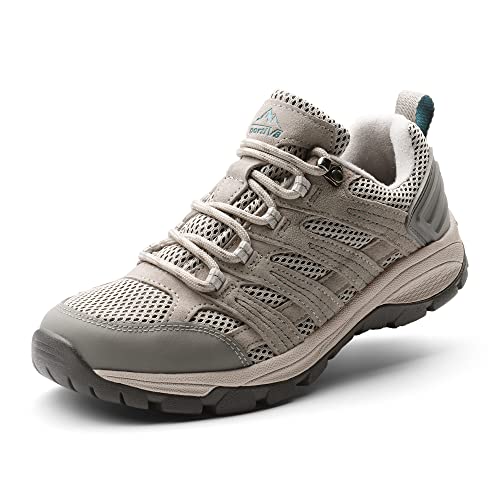
NORTIV 8 offers a lightweight, breathable option with stability-focused construction. The midfoot support and sturdy build contribute to dependable movement on uneven terrain, while slip-resistant soles help maintain grip on varied surfaces. These shoes aim to balance everyday comfort with trail-ready features, making them suitable for quick hikes, casual walking, and weather-exposed routes. The design prioritizes versatility and traction, which can be beneficial for hikers who tackle mixed environments.
CUSHIONAIRE Brig Womens Hiking Shoes

The CushionaIRE Brig focuses on all-day comfort with cushioned midsoles and a wide toe box to accommodate foot swell during longer hikes. The waterproof design adds protection against unexpected rain, while the rugged outsole enhances traction on uneven trails. This model is well-suited for hikers who require arch support and a stable platform for daily wear and weekend excursions, balancing cushioning with a secure grip on diverse terrain.
Buying Guide — Key Purchase Considerations
- Terrain and usage: Match footwear to common trails—rocky, muddy, or mixed terrain—with emphasis on stability and outsole grip.
- Waterproofing vs. breathability: Waterproof uppers are beneficial in wet climates; breathable materials support comfort on dry days. Consider waterproofing technology and seam construction, especially for year-round use.
- Support and fit: Look for decent midsole cushioning, ankle support (if needed), and a roomy toe box to prevent pinching on longer hikes.
- Durability and materials: High-quality leathers or synthetic blends balance durability with weight. Recycled or low-impact materials can align with sustainability goals.
- Weight vs. protection: Heavier boots often provide more protection and stability; lighter shoes improve speed and agility. Choose based on trail length and load.
- Sizing and width options: If you have a wide forefoot or high insteps, select models offering wider fits or adjustable lacing systems to maintain stability and comfort.
- Maintenance: Waterproof footwear may require re-waterproofing over time. Clean after use and dry thoroughly to preserve durability and odor control.
- Price-to-value balance: Consider the expected number of hiking days per year, climate, and maintenance costs when evaluating price. Durability and warranty can influence long-term value.
These options cover a range of budgets and preferences, from rugged, weather-ready boots to lightweight, breathable hikers. By weighing waterproofing, support, weight, and outsole design, hikers can select supportive footwear that aligns with their typical routes and comfort requirements.