People with knee concerns often seek fins that promote a natural flutter kick without overstraining joints. The following selections emphasize short or silicone blades, comfortable fits, and foot support to help swimmers maintain propulsion while protecting knees. This guide highlights five practical options and compares what makes each suitable for bad knees.
| Product | Brand | Blade Type | Material | Notes |
|---|---|---|---|---|
| TYR Stryker Silicone Swim Fins | TYR | Short Blade | 100% Silicone | Hypoallergenic, comfortable fit; promotes short, quick kicks. |
| Speedo Unisex-Adult Swim Training Fins Silicone | Speedo | Short Blade | Silicone (SILFORM) | Soft, flexible; easy transitions on/off the feet. |
| TYR Flexfin 2.0 Rubber Swim Fins | TYR | Longer Blade (flexible) | 100% Rubber | Durable; designed to improve leg movement and technique. |
| Arena Unisex Powerfin Pro II Silicone Fins | ARENA | Short Blade | Silicone | Open heel with customized fit; promotes powerful kick. |
| F FYJS Short Swim Fins | F FYJS | Short Blade | Rubber | Travel-friendly, compact, quick-drying bag included. |
Below are five product sections that provide key details to help you choose fins that minimize knee strain while maximizing propulsion and comfort in the pool, lake, or ocean.
TYR Stryker Silicone Swim Fins — Short Blade Comfort

TYR Stryker fins are crafted from hypoallergenic 100% silicone, offering a comfortable, form-fitting feel ideal for sensitive feet and longer practice sessions. The short blade design supports a natural, quick flutter kick that reduces knee stress by shortening the range of ankle and leg movement in the water. The non-slip footpad enhances stability during starts and turns, which can help swimmers maintain proper technique without overloading the knees.
Speedo Silicone Training Fins — Soft and Versatile
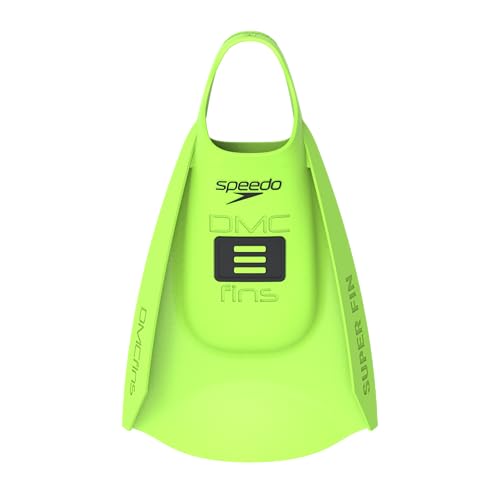
Speedo offers a universal foot cavity with a soft silicone build designed for comfort across varied foot shapes. The fins’ flexible silicone reduces fatigue and pairs with a gentle kicking action that helps protect knees. They’re suitable for fitness swimming and bodysurfing alike, enabling controlled propulsion with less ankle strain and knee torque during longer workouts.
TYR Flexfin 2.0 Rubber Fins — Durable Power

TYR’s Flexfin 2.0 uses rubber for durability and a longer blade design to build leg strength and foot flexibility. While longer than ultra-short fins, the rubber construction provides a forgiving response and a stable kick cycle, allowing swimmers with knee concerns to focus on efficient propulsion without abrupt, high-torque movements. The color-coded sizing helps ensure a secure, comfortable fit to minimize pressure points in the ankle region.
Arena Powerfin Pro II — Custom Fit Silicone

Arena’s Powerfin Pro II uses silicone for a soft, flexible feel with a short blade that supports an efficient flutter kick. The left/right customization and open heel design enhance ankle mobility, helping swimmers achieve a quicker upward leg motion and a more powerful downward kick without compromising knee comfort. This fin is particularly suitable for swimmers seeking precision in kick technique during training sets.
F FYJS Short Fins — Travel-Friendly Comfort

F FYJS short fins combine durable rubber with a compact design that travels well in a carry-on or gym bag. The short blade encourages shorter, faster kicks that can reduce knee pressure compared to longer fins. A lightweight, quick-drying mesh bag is included, making these fins convenient for on-the-go training and poolside practice without adding extra strain to the joints.
Buying Guide: Key Purchase Considerations For Knee-Safe Fins
- Blade length and stiffness: Short blades generally promote smaller, quicker kicks, reducing knee torque. Softer materials (silicone or flexible rubber) lower impact on joints but may offer less propulsion for advanced swimmers.
- Foot pocket fit and comfort: A snug, non-binding pocket prevents foot fatigue and blisters. Look for models with open heel or adjustable straps to accommodate different foot shapes and potential swelling after workouts.
- Material and durability: Silicone fins tend to be softer and kinder to sensitive feet; rubber fins can be more durable but slightly stiffer. Choose based on frequency of use and water conditions (pool vs. saltwater).
- Ease of donning and doffing: Quick transitions from deck to water are beneficial for high-volume training days. Consider fins with universal foot cavities or easy-release straps.
- Foot and ankle mobility: For knee-friendly training, prioritize fins that support ankle flexibility and a smooth upward kick. Customizable or dual-strap designs can help accommodate ankle movement.
- Portability: Travel-friendly fins with compact design and lightweight materials reduce added fatigue during trips to the pool or beach.
Usage Scenarios And Safety Tips
For swimmers with knee discomfort, fins should be used as a training aid rather than a crutch. Start with shorter sessions focusing on technique: keep kicks compact, maintain a stable core, and avoid sudden, forceful movements. Alternate with finless sets to reinforce natural body position. Always rinse fins after use to extend the life of silicone or rubber materials and inspect for wear or cracking before each session.
Performance And Technique Perspectives
Shorter, silicone fins tend to encourage a higher cadence and cleaner ankle articulation, which can reduce knee strain by distributing workload across the hip, thigh, and ankle joints. Rubber fins provide durability for longer sessions and may help build leg strength, but swimmers should monitor for any added resistance that could irritate the knees if used excessively. Swimming with fins should complement a well-rounded training plan that includes mobility work and proper kick technique.
How To Choose For Bad Knees: Quick Decision Aids
- If knee pain is prominent, start with a silicone, short-blade fin with a comfortable foot pocket (TYR Stryker or Speedo Silicone).
- Prefer fins with an open heel or adjustable strap for a secure, flexible fit (Arena Powerfin Pro II).
- Consider rubber fins for durability if you train frequently in open-water or need long-term wear (TYR Flexfin 2.0).
- For travel and ease of use, select short fins with a travel-friendly bag option (F FYJS Short Fins).
Final Considerations
When selecting fins for knee comfort, it helps to try different blade lengths and materials to gauge how your knees respond to each option. Consult a coach or physical trainer if you have a history of knee injuries to tailor fin selection to your stroke style and training load. A gradual ramp-up in fin use often yields the best balance between propulsion gains and joint protection.