Choosing a walking shoe that accommodates orthotics can improve alignment, reduce fatigue, and relieve common foot pain. This guide highlights five top options designed for orthotic wearers, blending supportive features with comfortable cushioning. Each product focuses on arch support, stability, and roomier toe boxes to fit orthotics securely. Read on to compare design details, materials, and benefits for comfortable, healthier strides.
| Product | Brand | Key Benefit | Best For |
|---|---|---|---|
| Brooks Adrenaline GTS 25 | Brooks | Holistic GuideRails, DNA Loft v3 cushioning | Runners and walkers seeking stable support |
| AOV Wide Toe Box Shoes Women Arch Support | AOV | Wide toe box, adjustable arch support | Comfortable all-day wear with orthotics |
| BARERUN Walking Shoes Women Slip On | BARERUN | Zero-drop design, easy adjustability | Slip-on convenience with arch support |
| IIV Women’s Walking Shoes Arch Support | IIV | Arch support, cushioning, non-slip outsole | Walking with plantar fasciitis relief |
| ZF ZEFUHER Women’s Walking Shoes | ZF ZEFUHER | Arch support insoles, breathable upper | Everyday walking and orthotic comfort |
Brooks Adrenaline GTS 25 — Supportive Walking Shoe
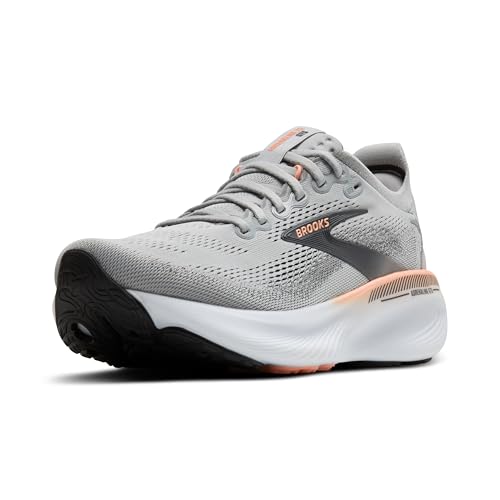
The Brooks Adrenaline GTS 25 is designed for those who want dependable support during long walks and runs. It features a holistic GuideRails system to guide the body along its natural motion while keeping excess movement in check. The nitrogen-infused DNA Loft v3 cushioning provides soft, responsive comfort underfoot. This model is a certified PDAC A5500 Diabetic shoe and carries the APMA Seal of Acceptance, indicating a focus on foot health and stability. Ideal for walkers who need reliable support without bulk.
AOV Wide Toe Box Shoes Women Arch Support
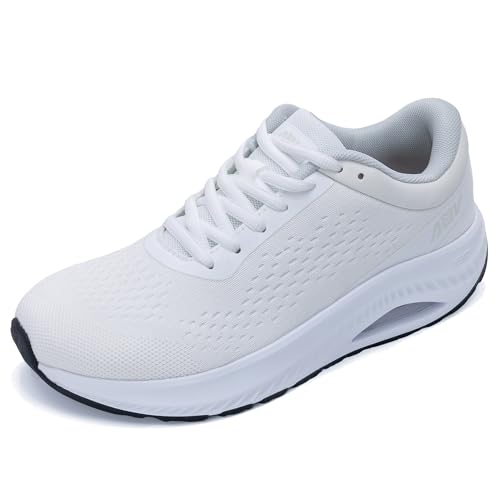
These AOV shoes emphasize a wide toe box paired with adjustable arch support insoles for all-day comfort. The design helps relieve common foot ailments like bunions and toe crowding, while providing cushioning to reduce fatigue after long walks. The combination supports orthotics well and aims to promote a natural gait, making them a solid option for extended wear and daily activities.
BARERUN Walking Shoes Women Slip On

BARERUN offers a cloud-like feel with a wide toe box and a zero-drop sole designed to encourage natural alignment. The slip-on design simplifies on/off, while adjustable strap features provide a customizable fit that accommodates orthotics. The shoe aims to deliver steady cushioning and a secure feel across different walking surfaces, making it a practical option for users seeking convenience plus supportive wear.»
IIV Women’s Walking Shoes With Arch Support

These IIV walking shoes emphasize arch support with cushioned comfort and a non-slip outsole. The design aims to relieve fatigue after long walks and is suitable for conditions like plantar fasciitis, flat feet, and bunions. The combination of supportive insoles and a grippy sole helps maintain stability across varied terrains, supporting orthotic use with steady performance.
ZF ZEFUHER Women’s Walking Shoes

These ZF ZEFUHER shoes pair arch-support insoles with a breathable upper to keep feet cool during walks. The design focuses on reducing foot fatigue and providing stable footing, which is beneficial for orthotic wearers. The combination of supportive insoles and a flexible midsole addresses both comfort and daily practicality for walkers with foot care needs.
Buying Guide: Key Factors For Orthotic Walking Shoes
- Arch support: Look for shoes with structured insoles or removable orthotics-friendly insoles to align the foot’s arches with your orthotic insert.
- Stability: A supportive midsole and reliable heel-to-toe balance help control overpronation or supination, reducing joint stress.
- Toe box width: A roomy toe box accommodates orthotics and reduces friction, helping prevent numbness and discomfort.
- Cushioning: Nitrogen-infused foams or plush cushioning absorb shock on impact, supporting longer walks without fatigue.
- Fit and adjustability: Consider laces, straps, or slip-on designs that enable a secure fit around orthotics and foot shape variations.
- Upper material and breathability: Mesh or knit uppers improve ventilation, keeping feet dry and comfortable throughout wear.
- Durability: A sturdy outsole with good grip helps maintain traction on different surfaces and extends shoe life when used daily.
- Health certifications: Shoes with APMA acceptance or medical endorsements can indicate built-in support features and foot-health considerations.
When selecting a walking shoe for orthotics, prioritize a combination of arch support, stability, and a fit that accommodates your orthotics without compressing the foot. Material quality and cushioning should balance comfort with durability. For walkers with conditions such as plantar fasciitis or flat feet, a model with a structured support system and a roomy toe area often provides the best ongoing relief. Always consult a clinician if you have persistent foot pain or biomechanical concerns to ensure the chosen shoe supports your specific needs.