Finding the right running shoe matters when you overpronate or have flat feet. This guide highlights top women’s options that prioritize stability, arch support, and balanced cushioning. Each pick includes why it helps overpronation, comfort across long runs, and how its design supports everyday wear. Read on to compare features and choose the best fit for your stride.
| Product | Brand | Key Benefit | Amazon Link |
|---|---|---|---|
| ASICS Gel-Venture 10 | ASICS | Rearfoot GEL for impact absorption; breathable mesh | View |
| Brooks Adrenaline GTS 25 | Brooks | Holistic GuideRails support with soft cushioning | View |
| OrthoComfoot Orthopedic Road Running Shoes | OrthoComfoot | Orthopedic arch support for plantar issues | View |
| OrthoComfoot Orthopedic Walking Sneakers | OrthoComfoot | Advanced arch support for overpronation | View |
| STSVZORR Plantar Fasciitis Insole | STSVZORR | Deep heel cup and neutral arch support | View |
Note: Product details reflect design goals for stability, arch support, and comfort. Always choose a pair that matches your foot size, gait, and any professional recommendations for foot health.
ASICS Gel-Venture 10 Running Shoes

The ASICS Gel-Venture 10 combines a breathable mesh upper with rearfoot GEL technology to improve impact absorption and soften footstrike. The design supports everyday trail and road running, helping to stabilize the foot through rougher surfaces. While focused on a comfortable ride, Gel-Venture 10 adapts to longer sessions with cushioning aimed at reducing fatigue. This model also emphasizes sustainable formatting in its sockliner dyeing process, reflecting a broader commitment to responsible production.
Brooks Adrenaline GTS 25

The Adrenaline GTS 25 targets stability with the GuideRails system, designed to support your natural motion while keeping excess movement in check. Its soft, dynamic DNA Loft v3 cushioning provides a plush ride that remains responsive over long miles. Certified for diabetics and APMA approved, this model emphasizes support without compromising comfort, making it a reliable choice for overpronation in both running and walking contexts.
OrthoComfoot Orthopedic Road Running Shoes

These road runners emphasize orthopedic arch support with an anatomically shaped insole designed to distribute pressure across the foot. Breathable mesh uppers promote airflow, while the durable upper materials provide longevity under daily wear. The combination of arch support and cushioning aims to reduce fatigue and protect joints during extended runs or daily activities, making them a practical option for flat feet and overpronation concerns.
OrthoComfoot Orthopedic Walking Sneakers

These walking sneakers prioritize arch support and a supportive insole to counter overpronation. The design blends breathable mesh with durable upper materials to keep feet cool and supported during long walks or light runs. A padded insole and toe box help reduce pressure points, while the lace-up closure allows for a secure, customized fit that complements orthotic use if needed.
STSVZORR Plantar Fasciitis Insole
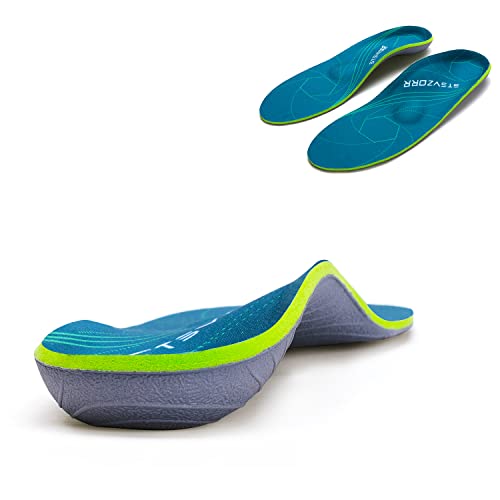
This insole targets flat feet and overpronation with a built-in neutral arch support and a deep heel cup to stabilize the foot during high-impact activities. A double-layer cushioning system aims to balance softness with support, while a robust EVA base ensures durable wear. It integrates with a variety of athletic shoes to improve alignment, reduce fatigue, and support long-duration activities.
Buying Guide: Key Purchase Considerations
- Stability versus neutrality: Look for models with defined support features (GuideRails, dual-density midsoles, or reinforced arches) if you overpronate. Neutral shoes may be lighter but often lack the necessary guidance for flat feet.
- Arch support quality: Orthotic-friendly options or insoles with deep heel cups can enhance stability. Ensure there’s enough room for orthotics if you use them routinely.
- Cushioning balance: Prioritize cushioning that absorbs shock without sacrificing support. Layered foams and nitrogen-infused foams are common in stability shoes and can improve comfort over long distances.
- Upper breathability and fit: Mesh uppers improve ventilation, which helps during hot weather or long splits. A secure, adjustable fit reduces foot movement inside the shoe.
- Diabetic and APMA certifications: Some models carry the APMA Seal of Acceptance or diabetic-friendly certifications, signaling added considerations for foot health and stability.
- Durability and use-case: Consider where you’ll wear the shoes most (road, trail, or gym). Stability features may differ in rugged environments compared to city streets.
Foot health advice varies by individual. For persistent overpronation or foot pain, consulting a podiatrist or certified fit specialist can help tailor the best shoe type and any needed orthotics or gait adjustments.