Finding the right hiking boots involves balancing comfort, protection, and grip. The following selections come from trusted outdoor brands and feature waterproofing, solid traction, and supportive midsoles. Each option is suitable for varied terrain, from rocky paths to muddy trails. The table below highlights five standout models to consider for different needs and budgets.
| Product | Brand | Key Feature | Footwear Type | Typical Use |
|---|---|---|---|---|
| NORTIV 8 Ankle High Waterproof Hiking Boots | NORTIV 8 | Waterproof with cushioned insoles | Hiking boot | All-day comfort on trails |
| Newton Ridge Plus II Waterproof Hiking Boot | Columbia | Lightweight midsole with active traction | Hiking boot | Long hikes and varied terrain |
| Transverse Waterproof Hiking Boot | Columbia | OMNI-TECH waterproofing and cross-terrain grip | Hiking boot | Wet, mixed surfaces |
| Moab 3 Mid Waterproof Hiking Boot | Merrell | Vibram sole and cushioned insole | Hiking boot | All-terrain reliability |
| Relment Pelmo Hiking Boot | Skechers | Waterproof upper and air-cooled comfort | Hiking boot | All-weather work/trail use |
NORTIV 8 Men’s Ankle High Waterproof Hiking Boots

NORTIV 8 delivers all-day comfort with removable, shock-absorbent insoles and lightweight EVA midsoles designed for long-lasting cushioning and energy return. The outsole is constructed for reliable traction on wet or muddy surfaces, reducing slip risk on challenging terrains. The boot’s waterproofing helps keep feet dry during wet hikes, while the overall build aims to balance support with flexibility for extended use.
Columbia Newton Ridge Plus II Waterproof Hiking Boot

This boot features a lightweight, durable midsole for long-lasting comfort and high-energy return, plus a waterproof full-grain leather and mesh bootie construction for breathability and protection. A lace-up closure allows a secure, adjustable fit, while the traction rubber sole offers reliable grip on uneven surfaces, making it a versatile option for variable trail conditions.
Columbia Transverse Waterproof Hiking Boot

Built with OMNI-TECH waterproofing and a seam-sealed construction, this boot provides breathable protection in damp conditions. TECHLITE cushioning offers lightweight impact absorption, and OMNI-GRIP tread is designed for multi-terrain stability across wet and dry surfaces, enhancing grip on varied trails.
Merrell Moab 3 Mid Waterproof Hiking Boot

Merrell Moab 3 blends pigskin leather with mesh for durability and breathability. Its Kinetic Fit ADVANCED contoured insole and a cushioned heel provide medium support and comfort, while a Vibram TC5+ rubber sole delivers reliable traction on varied terrain. The boot is designed to balance performance with everyday wearability for outdoor enthusiasts.
Timberland White Ledge Mid Waterproof Hiking Boot
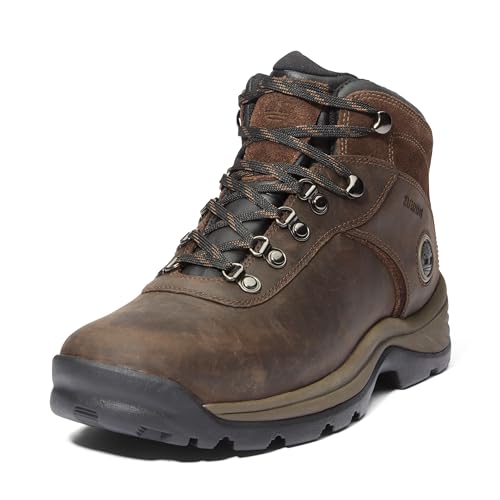
Timberland’s White Ledge Mid combines waterproof premium leather with a fully gusseted tongue and rustproof lacing hardware. This setup helps keep debris out and provides a secure fit, while the rugged midsole and outsole deliver dependable traction on mixed terrains, suitable for weekend hikes and outdoor work.
Skechers Relment Pelmo Hiking Boot

These Skechers offer superior waterproof protection with a rugged upper, alongside Air-Cooled Memory Foam insole for comfort during long wear. The high-traction lug outsole provides grip on various surfaces, making them a practical choice for wet and dry conditions alike.
Buying Guide
- Fit and sizing: Look for boots with a secure heel lock, roomy toe box, and adjustable lacing. If possible, try on with hiking socks you plan to wear on trails.
- Waterproofing vs. breathability: Waterproof membranes keep feet dry but can reduce breathability. For frequent warm-weather hikes, balance waterproofing with a breathable upper.
- Footbed and midsole: Removable insoles and supportive midsoles help absorb shocks and reduce fatigue on long treks. Consider models with added arch support if you require it.
- Traction: A durable outsole with multi-directional lugs improves grip on wet, rocky, or muddy surfaces. Rubber compounds affect grip and wear over time.
- Weight: Lighter boots reduce fatigue on long hikes, but heavier boots may offer more protection and support. Choose based on terrain needs and personal comfort.
- Durability and materials: Full-grain leather offers durability and water resistance, while synthetic uppers can be lighter and quicker to dry. Mesh panels improve breathability.
- Climate suitability: For hot climates, prioritize ventilation. For rain-prone areas, prioritize waterproofing and tread stability on slick surfaces.
- Break-in period: New boots may require a short break-in. Begin with shorter hikes to allow the sole and upper to adapt.
- Maintenance: Keep leather boots conditioned and dry; clean mud from soles to preserve traction. Waterproof sprays can extend life for many models.
- Intended use: Match the boot to typical trails—day hikes, rugged backpacking, or mixed-terrain days—to maximize performance and longevity.