Finding the right weightlifting shoes can impact stability, form, and force transfer during lifts. This guide highlights five top options that balance support, durability, and comfort for American lifters. Each pick is evaluated on sole design, heel height, materials, and fit to help you choose with confidence.
Summary of selected products:
| Product | Brand | Key Benefit | Heel Height | Notes |
|---|---|---|---|---|
| Powerlift 5 | adidas | Breathable upper; sustainable materials | 15 mm | Versatile weightlifting shoe |
| MEGIN Powerlifting Shoes | Nordic Lifting | Stable base; deep squats | 1.4 inch | High stability for Olympic lifts |
| Osterland Weightlifting Shoes | Osterland | Slip resistance; secure straps | 1.3 inch | Designed for heavy lifting |
| CASTIRON LIFT | CASTIRON LIFT | Non-slip; easy on/off | 1.2 inch | Durable and breathable |
| MANUEKLEAR Deadlift Shoes | MANUEKLEAR | Enhanced support; wide sole | Raised heel | Solid stability for lifts |
Adidas Unisex-Adult Powerlift 5 Weightlifting Shoes

Adidas Powerlift 5 combines a lightweight upper with a 15 mm heel lift, balancing stability and agility for squats, deadlifts, and Olympic lifts. The upper uses recycled materials to support sustainability goals, while the midsole and outsole are engineered for firm ground contact. The shoe emphasizes breathability and durability, making it suitable for both training sessions and competition prep.
Barefoot Shoes Men Women Minimalist Shoes by MIFAWA
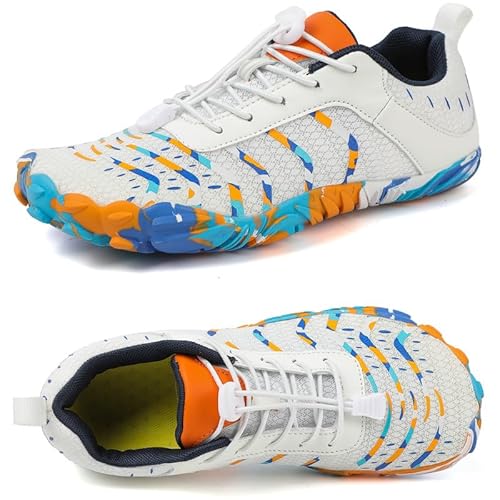
These minimalist shoes feature a wide toe box and zero-drop design, encouraging natural foot alignment and stable landings. The emphasis is on proprioception and balance, with removable insoles to adjust arch support. They are a good option for lifters who prefer a barefoot feel during warm-ups or light technique work, though they are less cushioned than traditional weightlifting shoes.
MANUEKLEAR Strong Anti-Slip Deadlift Lifting Shoes

These shoes emphasize sustainability with TPU, rubber, and Oxford cloth, offering an assertive locked-in fit via laces and straps. A reinforced chassis and widened heels improve stability during heavy squats and deadlifts. The breathable interior and robust outsole are designed to handle high-load workouts while minimizing foot fatigue and slippage.
Nordic Lifting MEGIN Powerlifting Shoes

MEGIN provides a stable base for squats, deadlifts, and Olympic lifts with a 1.4″ heel height. The outsole is designed for reliable traction on gym floors, and the overall construction aims to improve posture, depth, and balance under heavy loads. The elevated heel helps lifters achieve deeper squats while reducing knee and back strain.
Osterland Weightlifting Shoes
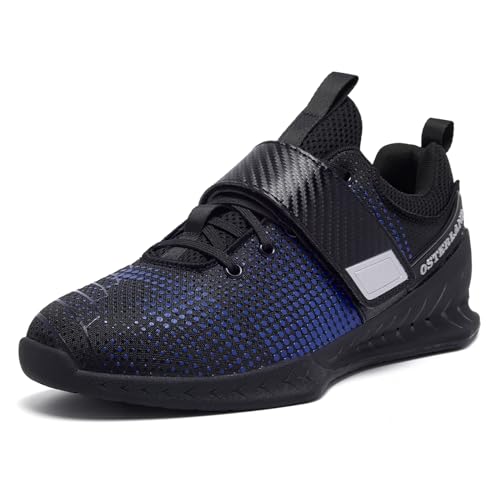
Osterland shoes focus on slip resistance and secure strap design, with a 1.3 inch heel height. The double-layer nylon Velcro straps and one-piece upper wrap securely around the foot, promoting stability during heavy lifts. The outsole includes anti-slip grooves and a breathable upper for long training sessions.
Weightlifting Shoes By CASTIRON LIFT
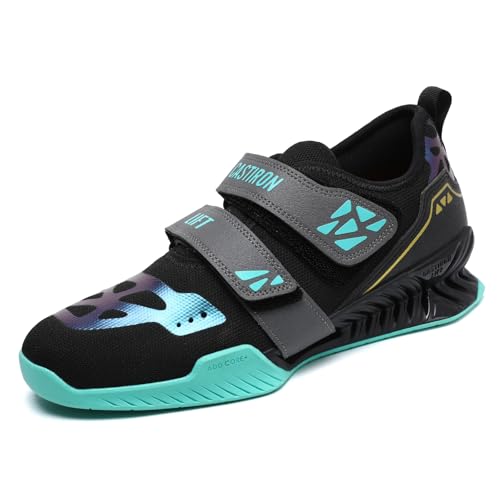
CASTIRON LIFT emphasizes durable microfiber and breathable fabric for long-lasting comfort. The non-slip outsole and 1.2 inch heel height aim to provide solid stability and improved lifting posture. Easy on/off and secure fit make them suitable for workouts requiring quick transitions between sets.
Buying Guide: Key Considerations For Weightlifting Shoes
Purpose and lift type: Decide whether you primarily squat, deadlift, or perform Olympic lifts. Heel height should match your mobility goals: higher heels can help with deeper squats, while flatter soles promote a more natural foot strike for some lifts.
Stability and grip: Look for a stable base, firm midsole, and non-slip outsoles. A wide toe box can improve balance and foot alignment during complex movements.
Upper materials and fit: Breathable, durable uppers reduce heat buildup and improve comfort. Secure closures (laces, straps) help achieve a locked-in feel during explosive lifts.
Weight and flexibility: Lightweight shoes reduce fatigue in long sessions, but must not sacrifice stability. Some lifters prefer a stiffer sole for power transfer, while others accept some flex for comfort.
Durability and maintenance: Choose shoes with quality stitching, reinforced heel, and reliable outsole. Consider how easy they are to clean and how well they hold up to heavy training.
Environmental and material considerations: Some models use recycled materials or eco-friendly components. If sustainability matters, compare material composition and production practices.
Fit and sizing: Weightlifting shoes run small or true to size depending on brand. When possible, try on with typical socks and consider ordering with a return option if shopping online.
Budget and value: Weigh not only the upfront price but also expected lifespan and how often you’ll replace the shoes based on training intensity and frequency.
Versatility: Some models double as cross-training footwear, while others are specialized for competitive lifting. Choose based on how you train most often.